
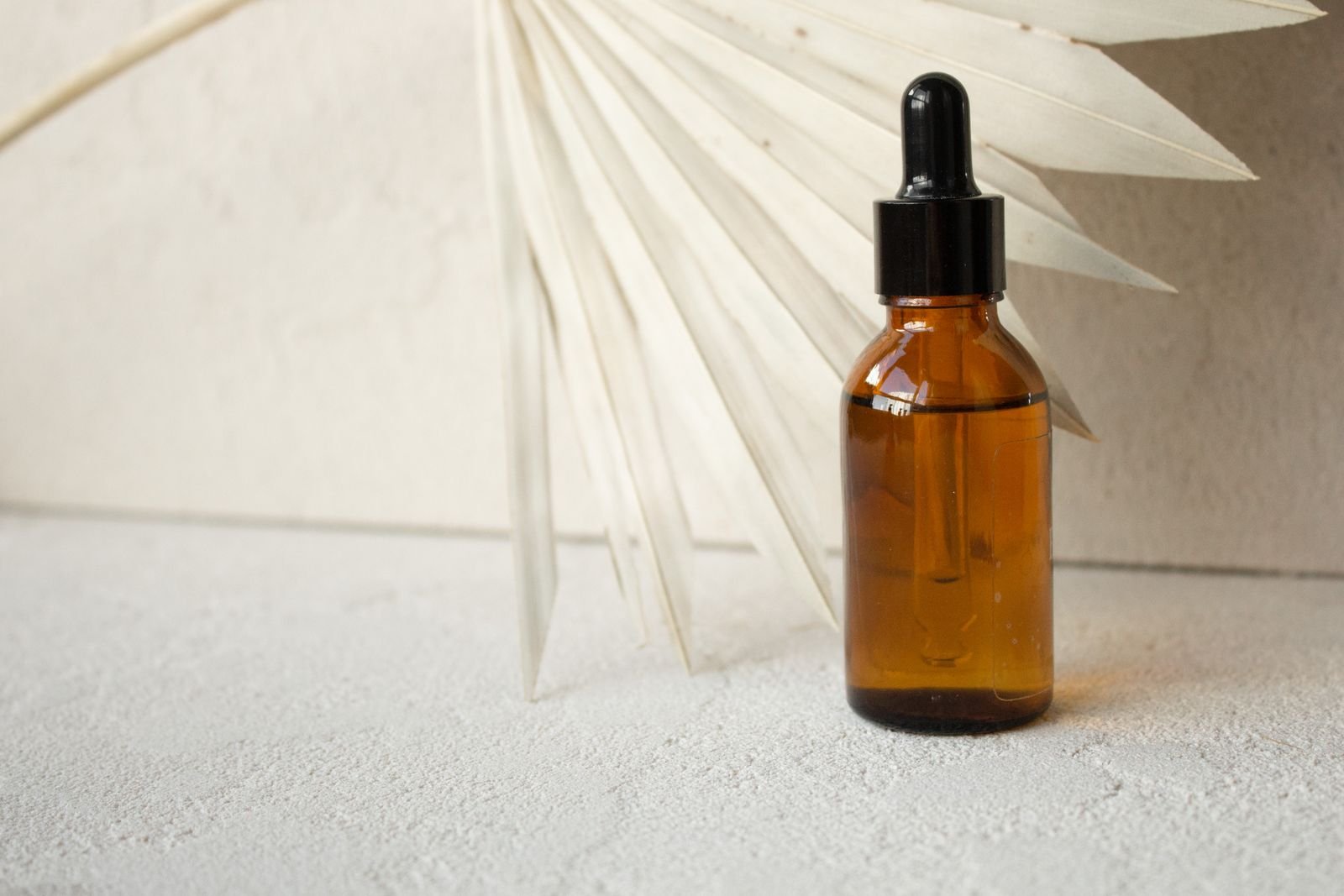
A serum can vanish in seconds yet leave skin less comfortable than before.
Ten minutes after application, the face feels tight. Fine lines look sharper. The surface has a papery drag, so another pump seems logical. It may only add more tack and discomfort.
Hyaluronic acid is a humectant, not a complete moisturizer. It binds water, but a thin serum may provide too few emollients or occlusives to limit water loss—especially on dry skin or in low humidity. Layering on more serum does not correct that gap. A more reliable approach is a modest amount on slightly damp skin, followed promptly by a moisturizer with lipids and water-loss-reducing ingredients. Patch-test a new formula first, and stop if persistent stinging or redness develops.
What “dry” can actually mean
A serum can feel drying without making skin meaningfully drier. As water evaporates, hyaluronic acid and film-forming polymers may leave a taut or tacky layer. If tightness starts soon after application and eases after rinsing or applying moisturizer, a surface film is a plausible explanation.
Other patterns suggest different problems:
- Dehydration: Skin lacks water temporarily. It may feel tight and show more noticeable fine lines, yet produce normal or excess oil.
- Lipid-poor dryness: Skin tends to remain rough, flaky, or uncomfortable. A moisturizer containing ceramides, fatty acids, or petrolatum is generally more relevant than another humectant serum.
- Irritation: Burning, itching, redness, or swelling suggests an inflammatory response rather than simple dryness.
These states can overlap. A compromised moisture barrier may lose water more readily, while a serum’s fragrance, preservatives, or other ingredients may add irritation. More hyaluronic acid is not necessarily useful when the dominant issue is missing lipids or ingredient sensitivity.
Discontinue a serum that causes burning, swelling, or worsening redness. Patch-test new formulas on a small area for several days. Severe or persistent symptoms, cracking, bleeding, or eye-area swelling warrant advice from a dermatologist.
Why water binding is not enough
Hyaluronic acid is a humectant: it associates with water within a formula and on the skin’s surface. It is not, by itself, a strong occlusive. Once the serum’s water phase evaporates, transepidermal water loss may continue through a compromised or lipid-poor barrier.
The common claim that hyaluronic acid simply “pulls water from the skin” in dry air is too crude. Results also depend on the polymer’s molecular weight and concentration, the rest of the formula, baseline barrier condition, and what is applied afterward. Humidity influences evaporation, but it is only one variable.
A separate mechanism can explain immediate tightness. As water and volatile solvents leave, some polymer-rich formulas form a contracting film. That sensation can resemble dryness even when surface water content has temporarily increased. Alcohol, fragrance, or other irritating ingredients may add stinging or roughness.
For dry skin, application method matters:
- Apply the serum to slightly damp, not dripping, skin.
- Follow promptly with a moisturizer containing emollients and occlusives, such as ceramides, fatty alcohols, dimethicone, petrolatum, or squalane.
- Reduce frequency if tightness persists.
A costly hyaluronic-acid-only serum is often not worth the premium. A balanced moisturizer can supply humectancy, lipids, and evaporation control in one step.
Audit the formula, not the headline ingredient
A serum labeled “hyaluronic acid” can contain solvents, exfoliants, fragrance, and film-forming polymers. The full ingredient list therefore provides more useful evidence than the front label. Alcohol denat. high on the list, fragrance, essential oils, or strong acids may contribute to stinging, tightness, or irritation in susceptible skin.
Complementary ingredients can make a humectant serum more balanced. Glycerin, panthenol, beta-glucan, and urea add other water-binding mechanisms. Ceramides, cholesterol, fatty acids, dimethicone, squalane, and petrolatum support or supplement the layer that slows water loss, although many lightweight serums contain few of these lipids or occlusives.
Ingredient order offers only a rough guide. Ingredients are generally listed by concentration until the 1% threshold; below that point, order may vary. A long list of hyaluronic acid types also does not establish an effective dose.
Claims about “multi-molecular” or “low-molecular-weight” hyaluronic acid deserve restraint. Molecular size can affect where a polymer sits and how it forms a film, but size alone does not predict comfort or hydration. Concentration, supporting ingredients, climate, and the moisturizer applied afterward remain important.
Apply the serum to a small area once daily for several days, while keeping the rest of the routine unchanged. Stop if persistent burning, swelling, or marked redness develops. This is especially useful when the formula also contains acids, retinoids, or fragrance.
Use less serum, then close the gap
-
Start with gently cleansed skin
Harsh cleansing can compound tightness before the serum is applied. Pat away excess water rather than drying the face completely.
-
Apply to slightly damp skin
A light film of water gives the humectant water to bind during application. Skin should feel damp, not dripping wet.
-
Use a thin, even layer
Apply the smallest amount that spreads across the intended area. Excess serum can form a thicker polymer film, increasing tackiness or a tight dry-down without adding proportional benefit.
-
Follow promptly with moisturizer
Before the serum fully dries, layer a moisturizer over it. Emollients supplement surface lipids, while occlusive ingredients can slow water evaporation.
-
Adjust one variable at a time
If tightness continues, reduce the serum amount or stop it temporarily while keeping the cleanser and moisturizer consistent. This helps separate an application problem from an unsuitable formula.
Manufacturer directions take precedence when they specify a different order or dose.
Layering another water-based serum mainly adds more water and humectants. It may not provide the emollient or occlusive components needed to reduce evaporation. A well-formulated moisturizer is therefore more useful than another hydrating serum when the finish feels tight.
Rule out application artifacts
A generous dose can leave excess hyaluronic acid polymers on the surface. As the film dries, it may feel tight, sticky, or brittle. Rubbing can then lift the residue into flakes that resemble peeling skin.
Layering also matters. Silicone-rich products, thickening gums, and film-forming sunscreens may roll when applied over a serum that has not settled. Hyaluronic acid serum pilling often reflects this physical incompatibility, not inadequate hydration.
Before replacing the serum:
- Reduce the amount to a few drops.
- Apply thin layers from watery to creamy textures.
- Let each layer settle briefly.
- Press rather than repeatedly rub.
Persistent stinging, redness, or scaling suggests irritation rather than simple product buildup.
When the environment outpaces humectants
Low humidity increases evaporation from the skin. Indoor heating and air conditioning can intensify that effect, particularly during long exposure. Hyaluronic acid may improve water binding, but a humectant-only layer provides limited control over water escaping from the surface.
Over-cleansing adds a different problem. Strong surfactants, hot water, and frequent washing can remove surface lipids. Repeated exfoliation may also increase stinging, flaking, or tightness. Adding more serum does not replace those missing lipids.
Choose texture by dryness level
A fragrance-free moisturizer should supply both emollient and occlusive support:
- Gel-cream: reasonable for mild dryness if it contains dimethicone, squalane, fatty alcohols, or ceramides.
- Cream: generally better suited to persistent tightness or climate-controlled environments.
- Ointment or balm: offers stronger evaporation control for small, very dry areas, but may feel heavy.
The American Academy of Dermatology generally favors creams or ointments over lotions for dry skin. A costly water-gel is not worth the premium when its ingredient list lacks meaningful emollients or occlusives. In that setting, moisturizer composition matters more than additional forms of hyaluronic acid.
When another serum adds meaningful value
- A disciplined formula
A short ingredient list is useful only when it removes likely irritants without sacrificing performance. Formula structure matters more than a high hyaluronic acid claim.
Look forFragrance-free formulas with clearly identified support ingredients.Be cautious ofLong botanical blends, drying alcohols, and unsupported percentage claims. - Layered water binding
Multiple humectants can work across different textures and conditions. Glycerin, betaine, panthenol, and urea may complement hyaluronic acid.
Look forSeveral established humectants rather than one headline ingredient.Be cautious ofMarketing built around hyaluronic acid alone. - Barrier-compatible support
Ceramides, fatty acids, squalane, or dimethicone may reduce dependence on a separate watery step, though a cream usually provides stronger evaporative control.
Look forHumectants paired with emollient or barrier-supporting ingredients.Be cautious ofA bare gel presented as a moisturizer replacement. - Usable texture and packaging
A serum has little value if it pills, dries into a rigid film, or encourages overdosing. Pumps offer more consistent dispensing than droppers; opaque packaging matters mainly for light-sensitive extras.
Look forA thin, low-tack texture and controlled dispenser.Be cautious ofHeavy polymer gels and packaging claims unrelated to formula stability.
In the comparison between glycerin and hyaluronic acid for hydration, glycerin has broad formulation utility and usually creates less surface film. Hyaluronic acid can add slip and immediate plumping, but high-polymer formulas may feel tight. Concentration, supporting ingredients, climate, and the moisturizer applied afterward matter more than choosing a universal winner.
A premium serum does not earn its price merely by naming a high percentage, “multi-weight” hyaluronic acid, or deeper hydration. An “89% water” claim describes mostly the vehicle; it does not establish stronger water retention. Multiple molecular weights indicate variety, not useful concentration, penetration, or reduced transepidermal water loss.
Published ingredient lists provide a better screen. The published specifications for Vichy Mineral 89 and Neutrogena Hydro Boost allow comparison of humectants, emollients, occlusives, fragrance, alcohol, and packaging rather than slogans.
A premium may be defensible when the complete formula adds meaningful barrier support, tolerability, or stability. If it mainly supplies water, glycerin, and hyaluronic acid in a light gel, a lower-cost formula may offer comparable function. The headline percentage is not worth paying for.
Keep, Adjust, or Stop
HA is not inherently drying. Keep the serum if a small amount on damp skin, followed by moisturizer, feels comfortable. If tightness persists, reduce amount or frequency, changing one variable at a time. Replace it with a simpler, fragrance-free formula if adjustments fail. Stop if burning, redness, swelling, or irritation appears; seek dermatologic advice if symptoms continue.
