
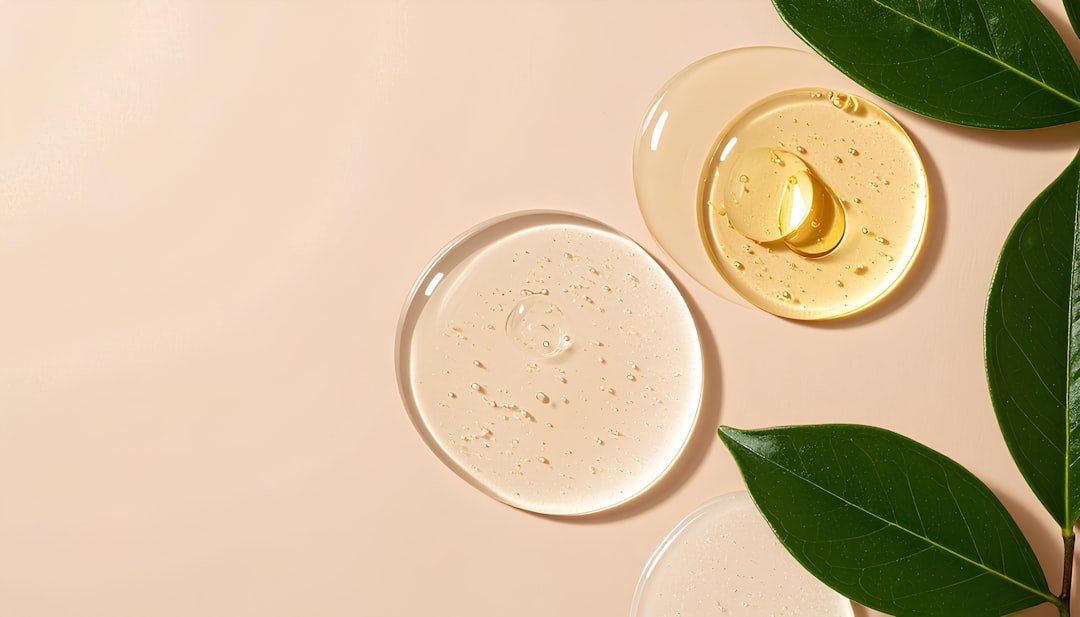
A longer ingredient list does not necessarily produce more comfortable skin.
A watery serum disappears within seconds, yet the face can feel tight again ten minutes later. Adding a richer cream may replace that tightness with tackiness, rolled-up product, or sunscreen that applies unevenly.
The problem is partly semantic. Hydration generally refers to increasing water within the outer skin layer, often with humectants such as glycerin or hyaluronic acid. Moisturization also includes emollients that smooth roughness and occlusives that slow water loss. Barrier support usually describes lipids such as ceramides, cholesterol, and fatty acids. Marketing often treats these functions as interchangeable, although ingredient lists do not always support the claims. A practical approach is to assess the serum’s actual role, then use thin layers and add only enough moisturizer to limit tightness without creating a heavy film.
Three routes to reducing dryness
- Humectant
A water-binding ingredient, such as glycerin, hyaluronic acid, or urea, that helps increase water in the outer skin layer.
- Emollient
A lipid or oil-like material that fills gaps between surface cells, improving softness and reducing rough texture.
- Occlusive
A material such as petrolatum, dimethicone, or certain waxes that forms a film and slows water evaporation.
- Transepidermal water loss
The passive movement of water through the outer skin layer into the surrounding air. Occlusive products can reduce this loss.
What hydration can—and cannot—do
A hydrating serum mainly addresses water content in the outer skin layer. A well-formulated product can temporarily make skin feel smoother, less tight, and more pliable. Water also changes how surface lines reflect light, which can create a short-term plumping effect. These effects do not mean that the product has permanently changed skin structure.
Hydration is not the same as oil replenishment. Humectants bind water, while emollients improve surface flexibility and occlusives reduce evaporation. Many serums contain mostly humectants because oils and waxes can produce a heavier texture. For dry skin, that narrow approach may be insufficient.
The complete formula matters
Ingredient categories describe functions, not guaranteed outcomes. Glycerin near the top of a balanced formula may contribute more than a trace amount of a heavily promoted botanical or hyaluronic acid. Solvents, film-formers, silicones, lipids, ingredient concentrations, and the finished product’s stability all influence performance. An expensive serum built around familiar humectants is often not worth the premium when the rest of the formula is unremarkable.
Texture also provides limited evidence. A watery product may be labeled a serum, ampoule, toner, or essence with little functional difference. The more useful comparison is the formula and its role in the routine, as explained in this comparison of hydrating serums and essences.
Application changes the result
Humidity, cleansing habits, barrier condition, and the products layered afterward affect how hydration feels and lasts. A humectant serum applied to slightly damp skin and covered with moisturizer generally has a better chance of retaining water than the same serum used alone in dry air.
A practical routine can follow this sequence:
- Apply a small amount after cleansing, while skin remains slightly damp.
- Allow the serum to spread rather than waiting for it to dry completely.
- Add a moisturizer containing emollient or occlusive ingredients.
- Reduce frequency if persistent stinging, redness, or tightness develops.
For oily skin in humid conditions, a serum may supply enough light hydration during the day. For persistently dry skin or cold, low-humidity weather, a moisturizer usually does more of the essential work.
How common humectants differ
Glycerin and hyaluronic acid
Glycerin is a small, established humectant that often supports hydration across the formula. Hyaluronic acid and sodium hyaluronate come in different molecular sizes; the practical differences between glycerin and hyaluronic acid depend more on formulation than marketing prominence.
Propanediol
Propanediol attracts water, dissolves other ingredients, and can improve spreadability. It commonly plays a supporting role rather than serving as the serum’s main hydration claim.
Urea, sodium PCA, and amino acids
These compounds resemble components of skin’s natural moisturizing factor. Urea’s role varies with concentration, while sodium PCA and amino acids often appear in blends designed to reduce tightness.
Beta-glucan and panthenol
Both combine humectant activity with a skin-conditioning role. Panthenol may improve softness, while beta-glucan can add a cushioned feel; neither automatically makes a formula suitable for sensitive skin.
Aloe derivatives
Aloe juice, extract, and powder are not interchangeable. Processing, dilution, and the complete preservative system matter more than a large “aloe” claim on the front label.
A high list position suggests an ingredient was added before ingredients present at lower amounts, but it does not establish exact concentration, molecular weight, raw-material quality, or finished-formula performance.
Ingredients used at 1% or less may generally be listed in any order under US labeling rules. A serum with several hyaluronic acid forms can therefore be less effective than a simpler glycerin formula. Texture, supporting emollients, packaging, climate, and application under moisturizer all affect the result. Paying more for a long humectant list is not worthwhile when the formula offers no meaningful information beyond ingredient count.
What hydrates—and what does not
A serum can contain useful ingredients without every ingredient being hydrating. Reading the formula by role gives a clearer estimate of value:
- Direct hydration: Glycerin, hyaluronic acid, sodium PCA, urea, and panthenol primarily attract water.
- Barrier support: Ceramides, cholesterol, fatty acids, squalane, and oils supplement the lipid phase.
- Soothing and antioxidant support: Allantoin, beta-glucan, centella components, niacinamide, tocopherol, and green tea serve separate roles.
- Texture and stability: Silicones, gums, polymers, emulsifiers, and preservatives control slip, thickness, uniformity, and shelf life.
- Fragrance and color: These affect scent or appearance, not hydration.
Gold, caviar, mushroom extracts, or a long hyaluronic acid “complex” do not automatically justify a premium. A simpler glycerin-led formula may provide comparable hydration. Multiple molecular weights can change skin feel, but an ingredient list rarely proves superior performance.
Retinoids, exfoliating acids, and low-pH vitamin C can increase irritation potential despite a hydrating base. Patch-test first, introduce one active gradually, and discontinue use if persistent irritation occurs. Anyone managing a skin condition should consult a dermatologist.
Texture reflects structure, not strength
A serum’s thickness comes from its formula architecture, not simply its humectant concentration. Polymers and gums can turn a mostly water-based formula into a substantial gel at low use levels. Conversely, a water-thin serum may carry a meaningful humectant blend without obvious body.
| Texture | Common structural features | Practical behavior |
|---|---|---|
| Water-thin | Water, humectants, few thickeners | Spreads quickly; may drip; layers with little settling time |
| Gel | Polymers or gums | Controlled application; can feel tacky or pill when overapplied |
| Milky | Fine oil droplets, emulsifiers, silicones | More slip and softness; usually settles more slowly |
| Emulsion-like | Higher oil phase, fatty materials, film-formers | Richer finish; may overlap with a light moisturizer |
Tack often rises with humectant load and film-formers, though solvents, silicones, and polymer selection can offset it. Pilling is more likely when several products contain incompatible or heavy films, especially if each layer is rubbed before it sets.
Packaging should match flow. Droppers suit thin liquids but can expose formulas repeatedly to air; pumps better control gels and emulsions. A thick serum is not inherently more hydrating, and a costly gel built mainly around texture modifiers may not justify its premium.
When a hydrating serum earns its place
A hydrating serum has a clear role when skin feels temporarily tight yet a heavier moisturizer feels excessive. Common triggers include cold weather, low humidity, heated or air-conditioned rooms, frequent cleansing, and routines containing drying or exfoliating products. A light humectant formula can add water-binding ingredients without substantially increasing oil or occlusion.
Match the formula to the routine
Dry skin often needs more than a serum. A humectant layer may improve comfort, but an emollient or occlusive moisturizer is usually needed above it to reduce water loss.
Oily skin may prefer a fluid, low-residue serum under sunscreen or a light moisturizer. Oiliness does not rule out dehydration, but a separate serum is not worth the money if the existing moisturizer already supplies glycerin, hyaluronic acid, or similar humectants without discomfort.
Persistent dryness, irritation, cracking, or symptoms associated with acne, eczema, or rosacea warrant evaluation by a dermatologist.
Pilling, tackiness, or prolonged dampness can signal an overloaded routine rather than insufficient hydration. Simplifying to one humectant product plus an appropriate moisturizer may produce a more wearable result.
A restrained serum routine
-
Read the product directions
The manufacturer’s order, frequency, and quantity take priority. Some formulas are intended for damp skin; others require dry skin or limited use.
-
Patch-test active blends
Apply a small amount to a limited area before broader use, particularly when the serum contains exfoliating acids, retinoids, or vitamin C.
-
Apply a thin layer
After cleansing, spread only enough serum to cover the face. Extra product rarely adds proportional hydration and can leave a tacky film.
-
Follow with moisturizer
A moisturizer adds emollient and occlusive support that many watery serums lack. This is especially relevant when hyaluronic acid leaves skin feeling drier.
-
Finish with daytime sunscreen
After moisturizer settles, apply a broad-spectrum sunscreen as directed. A hydrating serum does not provide meaningful UV protection, regardless of antioxidant or “barrier-support” claims.
New formulas are easier to assess when introduced one at a time.
Dryness after hyaluronic acid often points to insufficient support, not an inherently drying ingredient. A very light serum may need moisturizer over it, particularly in low-humidity conditions.
For serum pilling under makeup, reduce the amount first. Rolled flakes commonly reflect excess product, incompatible film-forming polymers, or layers applied before the previous one has settled. Longer wait times and fewer overlapping formulas are usually more rational than adding another primer.
How to judge a hydrating serum
- Ingredient evidence
Read the full ingredient list for recognizable humectants, emollients, and barrier-supporting ingredients.
Look forSeveral relevant ingredients in a coherent base.AvoidProprietary complexes unsupported by the disclosed formula. - Texture and packaging
Viscosity and dispenser design indicate how easily a serum may layer and retain stability.
Look forA fluid pump or controlled-drop bottle suited to the formula.AvoidThick, tacky textures for already crowded routines. - Amount and routine fit
Bottle size matters because hydrating serums are usually applied frequently and over the full face.
Look forEnough product for consistent use without displacing moisturizer.AvoidSmall quantities that make routine use poor value. - Verifiable claims
Manufacturer explanations are more useful when they identify ingredient roles, packaging, and intended use.
Look forSpecific claims that match the ingredient list.AvoidHydration percentages without clear methods or context.
- Choose a fluid serum beneath richer moisturizer or sunscreen; reserve thicker gels for simpler routines where tack is less likely to interfere.
- Compare bottle volume, dispenser control, and expected frequency of use alongside the ingredient list.
A hydrating serum earns its place only when it addresses a gap the existing moisturizer does not, such as adding water-binding ingredients without extra richness. If moisturizer already removes tightness and layers cleanly, another serum is unlikely to be worth the money.
Texture provides the practical final filter: select the thinnest formula that fits the surrounding routine and reject products whose claims exceed the disclosed evidence.
