Serums & Treatments
Actives are where skincare gets expensive and where the claims get loudest. These guides cover retinoids, acids, vitamin C and humectant serums, with attention to concentration where it is disclosed, what the published evidence supports, and which combinations are not worth layering.
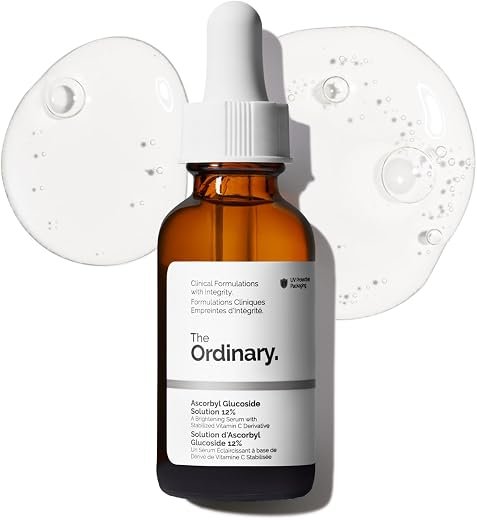
Best Vitamin C Serum for Sensitive Skin: 4 Gentle Picks to Try
The best vitamin C serum for sensitive skin starts gentle. Four picks, from fragrance-free derivatives to low-dose pure vitamin C, matched to skin type.

What Percentage of Niacinamide Should Skin Actually Use?
Niacinamide (also called nicotinamide) is a water-soluble form of vitamin B3. In cells it is a precursor to NAD+ and NADP+, coenzymes involved in energy metabolism and repair. That broad role explains why it…

Neutrogena Rapid Wrinkle Repair vs. Olay Retinol 24
Olay does more in one step. It pairs retinol with retinyl propionate, a gentler vitamin A ester, and lists both right after its base ingredients. Niacinamide follows, which helps with tone and pores and…
Medicube vs. Dr. Melaxin Collagen Balm Sticks
Both are twist-up balm sticks you swipe onto under-eyes, smile lines, forehead lines or your neck. They seal in moisture the same way any balm does, which is what makes lines look softer right…
Differin vs. CeraVe Resurfacing Retinol
Differin's tube and pump hold the same gel with 0.1% adapalene, an acne drug that used to need a prescription. Adapalene acts directly on skin cells to keep pores from clogging, so it treats…
Anua vs. Medicube PDRN Serums
PDRN (polydeoxyribonucleotide) is purified DNA fragments, usually from salmon. On an ingredient list it appears as sodium DNA. Dermatologists inject it in-office to support skin repair. In a serum it's a newer ingredient, used…