
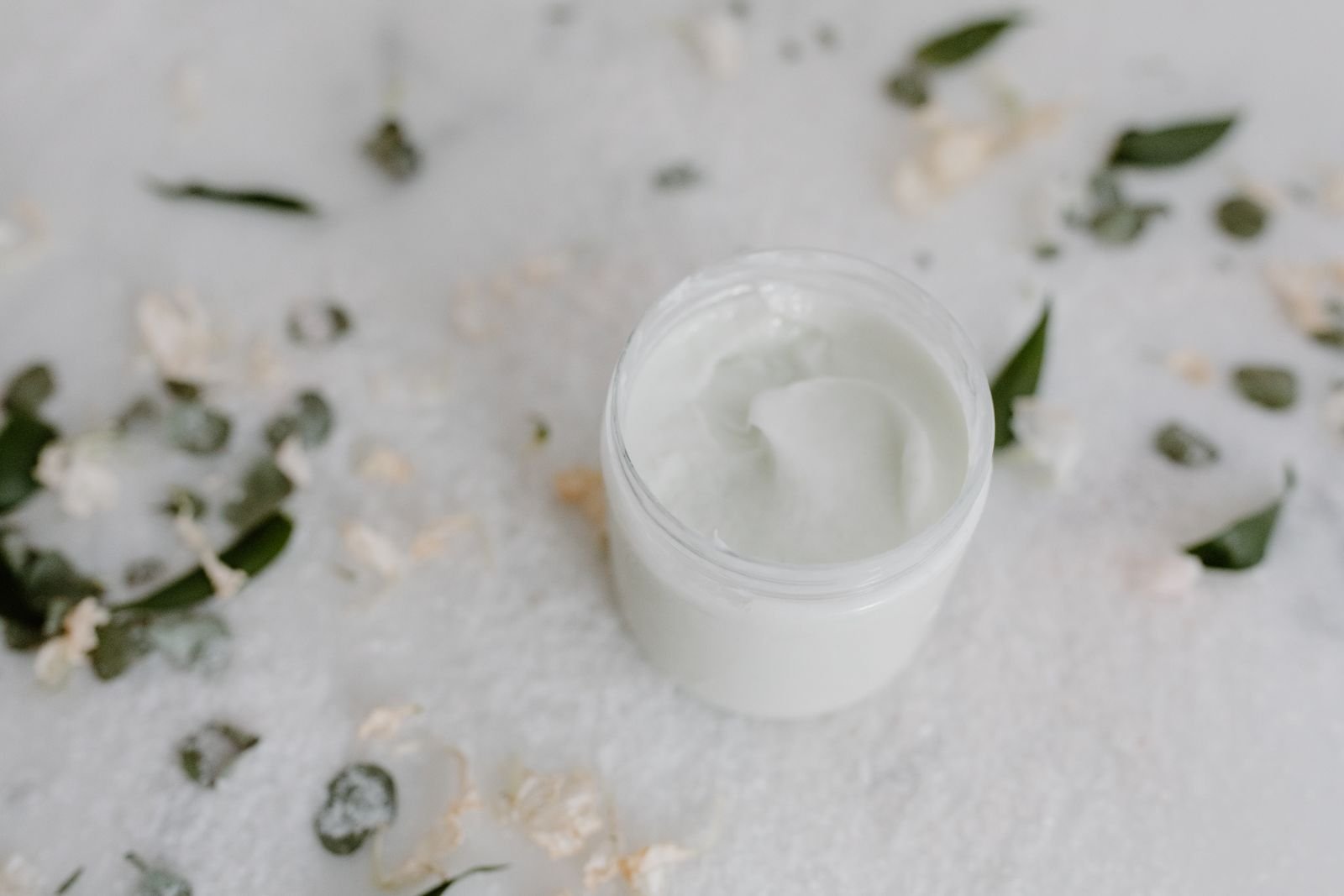
Fragrance-free describes formulation intent, not the absence of every detectable smell.
A newly opened moisturizer may smell faintly waxy, oily, herbal, or plastic-like. Those notes can come from fatty alcohols, plant extracts, oils, emulsifiers, or packaging. Odor alone does not show that the product has spoiled, and “fragrance-free” generally means fragrance was not added to create a scent.
A strong, unpleasant, or newly sour odor deserves closer inspection. Check for color changes, separation, unusual thinning or thickening, damaged packaging, and storage near heat or sunlight. Compare the smell with earlier uses or another unit when possible. If odor and appearance have changed together, or the formula causes unexpected irritation, continued use is difficult to justify. A recently purchased product that arrives in that condition is not worth keeping.
- A stable raw-material odor may be normal; a new odor combined with texture or color changes is more concerning.
Does fragrance-free mean odorless?
- Fragrance-free
Generally means no ingredients were added primarily to perfume the product. It does not mean the formula has no smell.
- Unscented
Describes a product intended to have little or no noticeable scent. What “unscented” means on a label may include fragrance ingredients used to mask raw-material odors.
- Intrinsic odor
The natural smell of ingredients such as fatty alcohols, botanical extracts, oils, preservatives, or emulsifiers. These odors may be waxy, earthy, medicinal, or slightly sour without indicating spoilage.
- Fragrance or parfum
A collective ingredient-list term that may represent a mixture rather than naming each aromatic component separately.
US cosmetic labeling does not make front-of-package wording a complete formulation disclosure. “Fragrance-free” and “unscented” should therefore be treated as manufacturer descriptions, not guarantees of odorlessness or identical formulas.
Check for fragrance, parfum, named essential oils, and aromatic plant extracts. Their absence reduces obvious scent sources, but does not remove the base odor of the moisturizer. A mild, stable raw-material smell can be normal. A new rancid, fermented, or sharply chemical odor is a separate quality concern.
What different moisturizer smells may indicate
Why does a moisturizer smell like crayons or candle wax?
A waxy or crayon-like odor often comes from beeswax, synthetic waxes, or fatty alcohols such as cetyl and cetearyl alcohol. These structural ingredients thicken the formula and stabilize its oil-and-water mixture; their presence does not mean the product contains drying alcohol.
What can cause a soapy or slightly chemical smell?
Emulsifiers and surfactants can contribute a mild soapy, plastic-like, or chemical odor. Packaging materials may also affect the initial smell, but an odor that intensifies after opening deserves closer inspection.
Why can fragrance-free moisturizer smell herbal or nutty?
Plant oils and botanical extracts retain volatile compounds that may smell grassy, earthy, nutty, or medicinal. The ingredient list can clarify whether essential oils are creating the scent; they may appear under botanical names rather than as “fragrance.”
Do ceramides or minerals have a recognizable smell?
Ceramide blends may carry a faint waxy or fatty odor from their supporting lipids. Mineral ingredients, including zinc oxide and clays, are more likely to produce a chalky or earthy impression than a strong scent.
A stable raw-material smell is usually present from first opening. Sour, rancid, paint-like, or progressively stronger odors can indicate oxidized oils or formula deterioration, particularly when accompanied by discoloration or separation.
Why can two containers smell slightly different?
Small odor differences can arise before a formula reaches the shelf. Natural oils, waxes, botanical extracts, and emulsifiers may vary slightly by supplier or harvest, even when they meet the same specifications. Without perfume, those shifts are easier to notice.
Heat during shipping can intensify fatty or waxy notes. Cold can temporarily change texture and odor release. Packaging matters, too: a jar exposes more product to air than an airless pump, while compounds concentrated in the container’s headspace may be strongest at first opening.
A mild smell present from first use, stable over time, and consistent with the ingredient list is more likely to reflect normal variation. An odor that becomes progressively sour, rancid, fermented, or sharply chemical after opening warrants caution, particularly if color, separation, swelling, or leakage also changes. Use should stop while the manufacturer confirms the batch or offers a replacement.
Reviews can reveal whether many buyers noticed a similar initial smell. They cannot establish safety. Shipping routes and storage conditions differ, and reviewers do not conduct stability or microbial testing.
Which changes mean a moisturizer should be discarded?
What changes suggest oxidation?
Oxidation often produces a progressively rancid, oily, metallic, or crayon-like odor. Yellowing or browning, especially near the opening, strengthens the case when it appears alongside odor change or thinning.
Which signs point to microbial contamination?
Visible mold, unexpected specks, gas, container swelling, or a sour odor are strong warnings. New stringiness, bubbling, curdling, or separation that does not reverse may also indicate contamination; smelling normal does not rule it out.
What does heat damage look like?
Heat can cause persistent separation, graininess, leaking, discoloration, or a warped package. A formula that repeatedly liquefies and thickens after hot storage may no longer have its intended stability, even without an offensive smell.
When is age after opening enough reason to stop?
Check the period-after-opening symbol, opening date, and other signs that a moisturizer has expired. Discarding becomes reasonable when several sensory or packaging changes appear together, or when one clear change keeps progressing.
A normal odor cannot confirm safety. Visible growth, package swelling, or progressive color and texture changes make continued use an unnecessary risk; sampling the product to investigate is not worth it.
When does an odor become a reason to stop?
Is an unpleasant smell alone a safety concern?
Not necessarily. A stable odor that was present when opened may come from oils, emulsifiers, or botanical extracts rather than spoilage.
Which symptoms matter more than the smell?
Burning, persistent redness, swelling, or itching indicate poor tolerance. Stop using the moisturizer even if its odor and appearance seem normal.
What should happen after a reaction?
Remove the product gently and avoid applying it again to confirm the reaction. Persistent or worsening symptoms warrant guidance from a dermatologist; severe swelling or breathing difficulty requires urgent medical help.
Does “fragrance-free” remove the need for patch testing?
No. Fragrance claims do not account for irritation from active ingredients. Patch-test formulas containing retinoids, AHAs, BHAs, vitamin C, or benzoyl peroxide before broader use.
A merely unpleasant but unchanged odor is different from irritation. Stop use after burning, swelling, persistent redness, or itching, regardless of what the label promises.
Should the moisturizer be kept, discarded, or replaced?
-
Check the baseline odor
A mild waxy, oily, or botanical smell may reflect the listed ingredients. A stable odor alone does not indicate spoilage.
-
Look for combined changes
Discard the product if a new odor appears with discoloration, separation, graininess, thinning, swelling, or leakage.
-
Review storage and timing
Heat, sunlight, humidity, and prolonged opening accelerate deterioration. Follow the labeled storage instructions and period-after-opening symbol.
-
Assess the packaging
Airless pumps and opaque tubes generally limit air and light exposure better than wide-mouth jars, although no package eliminates contamination risk.
-
Replace for formula fit
When choosing a fragrance-free facial moisturizer, prioritize a clear ingredient list, suitable texture, and protective packaging over price or odorlessness.
If uncertainty remains, replacement is more defensible than continuing with a visibly altered formula.
- Write the opening date on the container.
- Use clean, dry hands or an applicator with jar packaging.
Fragrance-free is not the same as odorless. A consistent raw-material smell can be normal. The stronger warning is an odor shift accompanied by changes in color, texture, performance, or packaging. In that case, continued use is not worth the risk or cost savings.
