Cleansers
Cleansers do one job, and most of the difference between them comes down to surfactant type and pH rather than the claims on the front of the bottle. These guides compare face washes, balms and micellar waters on what they strip, what they leave behind, and who each one suits. Gentle is a formulation property, not a marketing word.

Cetaphil Gentle Cleanser vs. La Roche-Posay Toleriane Cleanser
Cetaphil barely cleans, on purpose. Its ten-ingredient list is mostly water, glycerin and cetearyl alcohol (a non-drying fatty alcohol), with panthenol and niacinamide. The only cleansing agent, sodium cocoyl isethionate, sits near the end,…

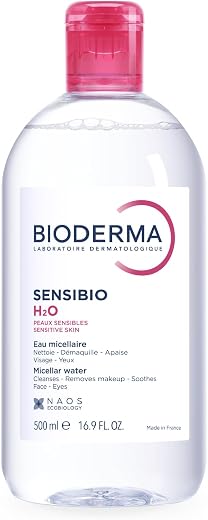
Bioderma vs. Garnier Micellar Water
Micellar water is water with mild cleansing agents that cluster into tiny balls called micelles. They grab oil, sunscreen and makeup so a cotton pad can lift them off without rinsing. Both of these…
PanOxyl vs. CeraVe Benzoyl Peroxide Washes
PanOxyl vs. CeraVe benzoyl peroxide washes: 10% strength against CeraVe’s 4% and 10% cream washes with ceramides, tolerance and value.
La Roche-Posay Toleriane vs. Effaclar Cleansers
La Roche-Posay Toleriane vs. Effaclar: a gentle hydrating cleanser against a 2% salicylic acid wash, and which skin needs which one.
CeraVe SA Cleanser vs. Foaming Facial Cleanser
CeraVe SA Cleanser vs. Foaming Cleanser: salicylic acid exfoliation against a plain gel wash, which skin types each suits, and how to use them.
Vanicream Gentle Facial Cleanser vs. Cetaphil Gentle Skin Cleanser
Vanicream vs. Cetaphil cleanser compared on surfactants, glycerin, niacinamide and rinse feel, plus which bottle costs less per ounce.
CeraVe Hydrating Cleanser vs. Cetaphil Gentle Skin Cleanser
CeraVe vs. Cetaphil cleanser compared on ceramides, niacinamide, rinse feel and cost per ounce, plus which suits dry, normal or sensitive skin.
Best CeraVe Cleanser for Each Skin Type
The best CeraVe cleanser depends on skin type: Hydrating, Foaming, Cream-to-Foam, SA and Acne Foaming Cream compared on what each does.