What’s actually in the bottle
Independent skincare reviews and routines. We read the ingredient list before the marketing copy, say plainly what a product will not do, and take no payment for placement.

Cleansing Balm vs. Cleansing Oil: Which Rinses Cleaner?
Oils and other emollients loosen oil-soluble material, including sebum, water-resistant sunscreen components, and many makeup pigments. Balms use the same basic mechanism; their waxes or structuring agents simply keep the formula solid until it…

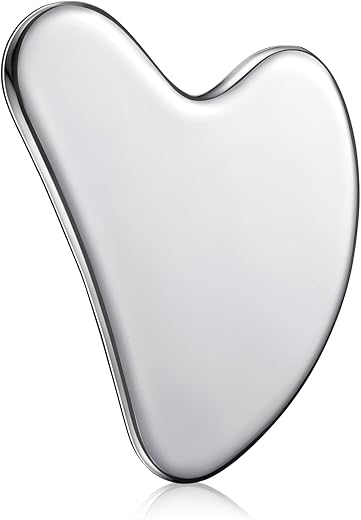
Gua Sha vs. Jade Roller: What Each Tool Actually Does
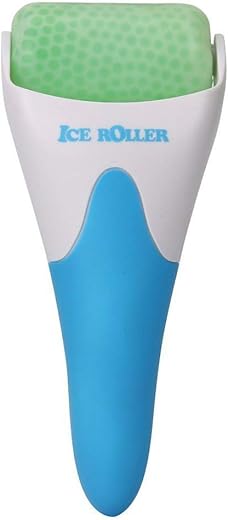
Both tools reward restraint more than material. The ice roller comparison covers the cooling format, and silicone vs. bristle cleansing brushes makes the same point about friction in a cleansing tool.

Cleansing Balms for Sunscreen Removal: What to Look For
Cleansing balms rely on two linked functions. Emollient oils and esters loosen oil-soluble UV filters, waxes, sebum, and film-forming ingredients. Mineral UV filters such as zinc oxide are particles rather than dissolved molecules, so…

Ice Rollers for the Face: What Cold Actually Changes
Surface cooling triggers temporary vasoconstriction, meaning small blood vessels near the skin narrow. This can make mild morning flushing look less noticeable until the skin warms again. Cooling may also reduce the appearance of…

Skincare Ingredients People Combine That Work Against Each Other
The documented concern centers on conventional tretinoin. Laboratory stability studies have found that benzoyl peroxide can oxidize and degrade tretinoin, with light exposure potentially worsening the loss. Applying both together may therefore reduce the…
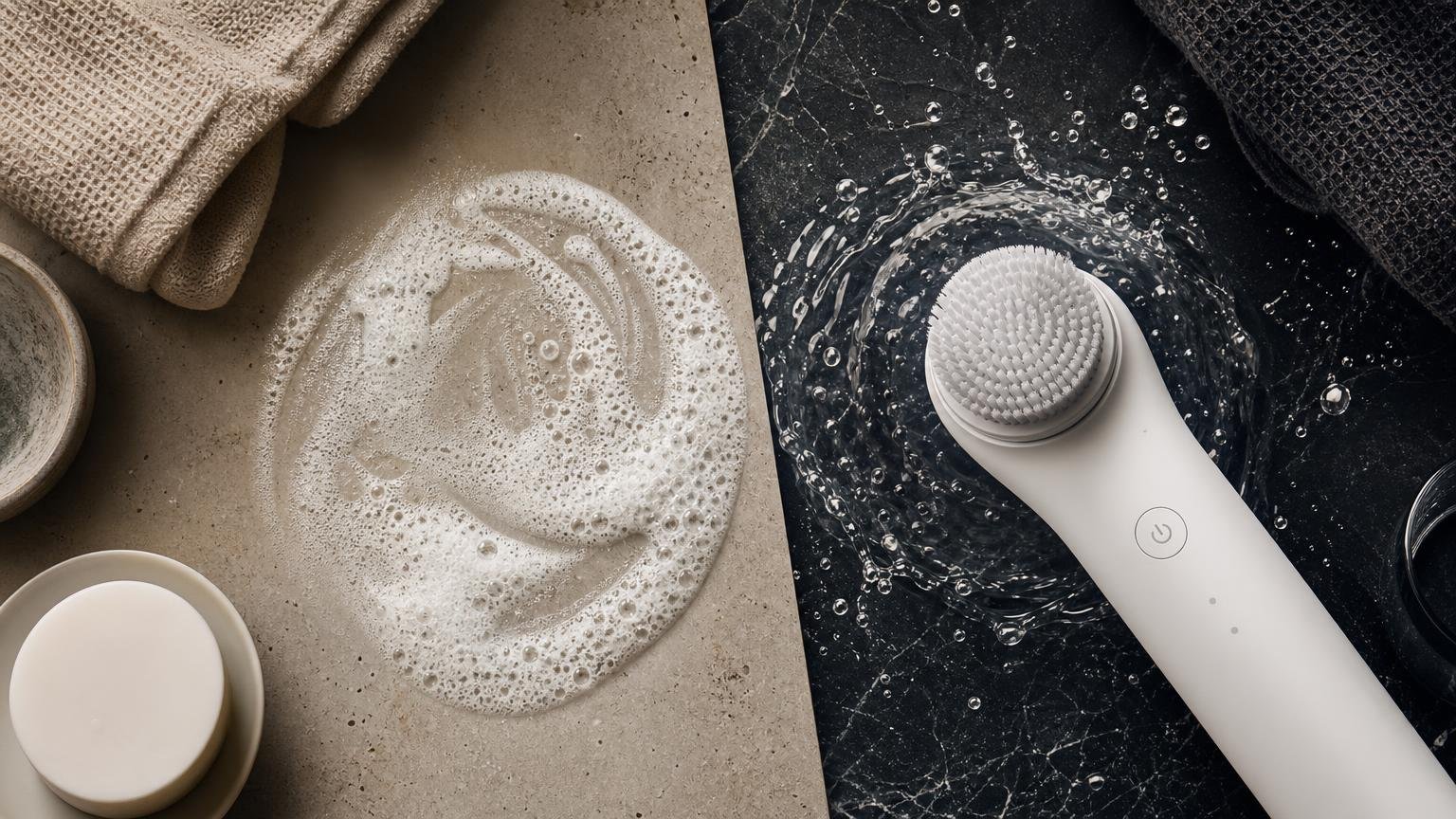
Do Cleansing Brushes Clean Better Than Hands?
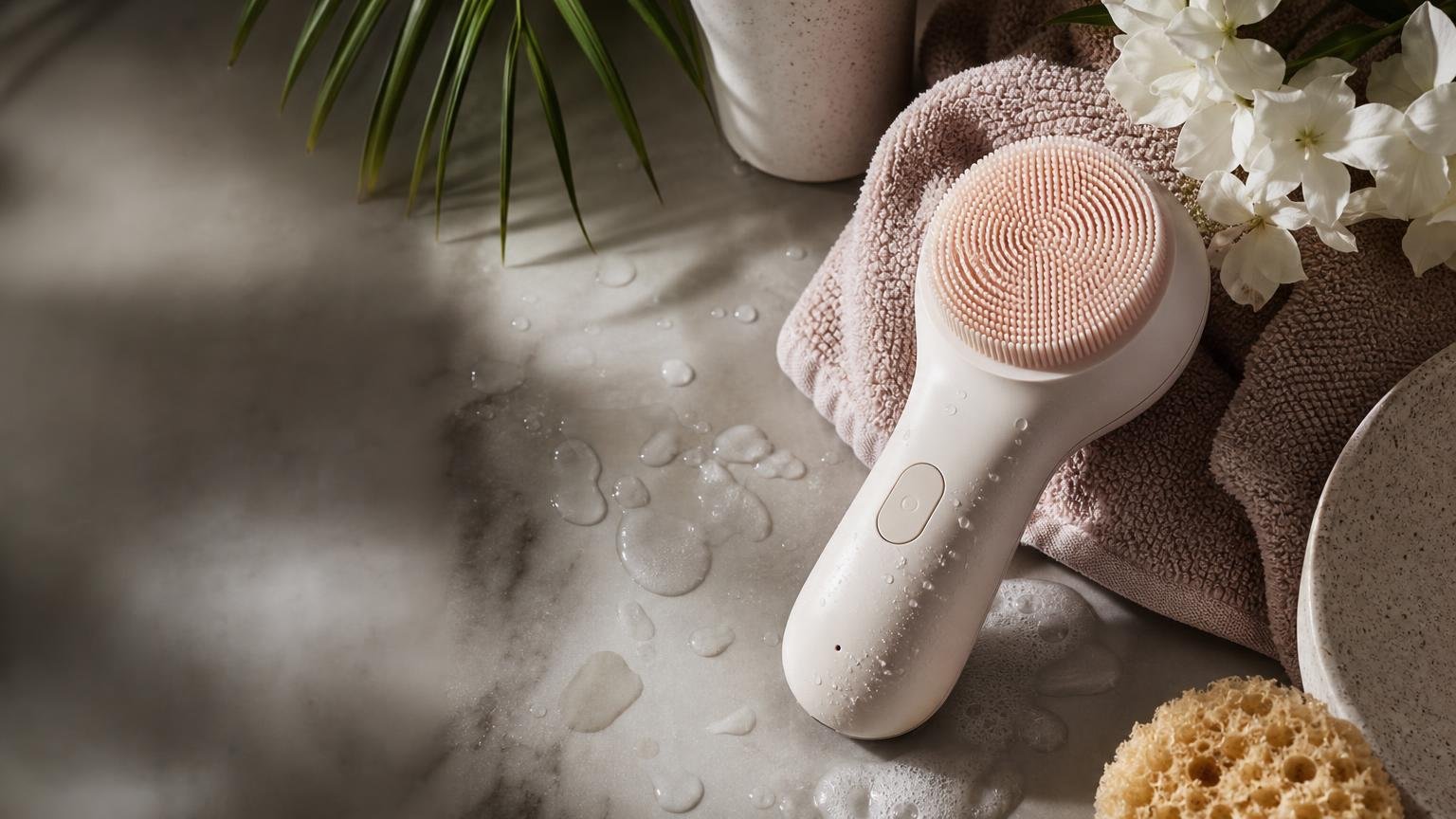
Fingertips provide broad, relatively low-friction contact. Pressure can be reduced immediately around dry, tender, or textured areas. A brush adds many repeated contact points through bristles, silicone nubs, rotation, oscillation, or manual movement. That…
How to Store Vitamin C, Retinol, and SPF So They Stay Effective
L-ascorbic acid is the form most vulnerable to oxygen, light, and heat, particularly when dissolved in water. Formulation research describes its oxidation to dehydroascorbic acid and later breakdown products. Repeated air exposure and warm…
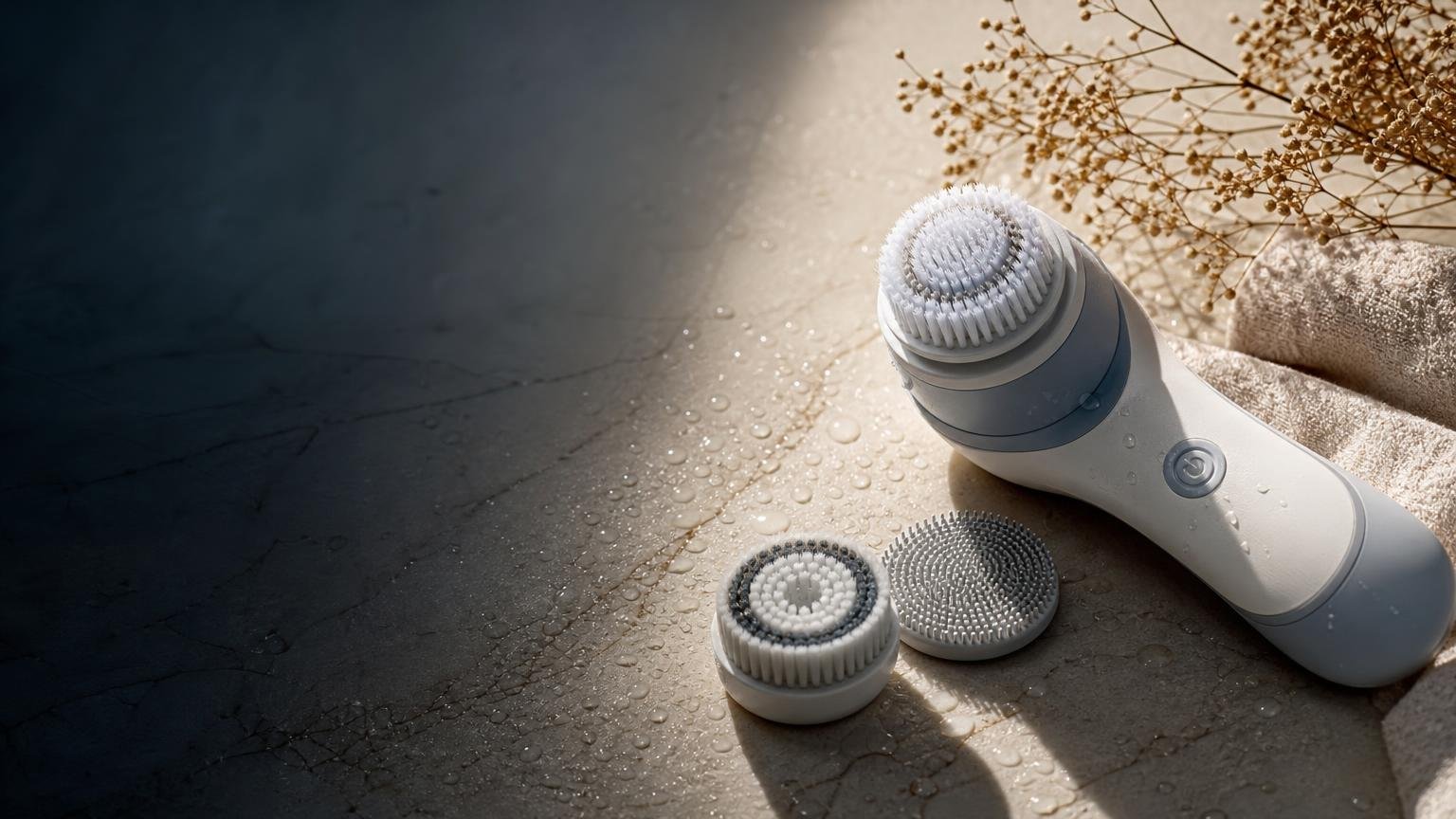
Why a Cleansing Brush Can Irritate Skin and What to Change
Persistent redness, warmth, burning, or a shiny, tight appearance is more consistent with irritation than purging. Purging is associated with ingredients that accelerate skin-cell turnover. A cleansing brush does not create that process through…
Sensitive Skin Routine: Which Steps to Keep and Which to Drop
A useful routine earns its place one product at a time. The review should consider four factors: purpose, supporting evidence, duplication, and irritation potential. Decision Practical standard Keep The product performs a necessary function…
How Often Should a Facial Cleansing Brush Be Used?
Published research does not establish a single cleansing-brush schedule for every skin type. Manufacturer directions commonly allow daily use, but that allowance is not evidence that daily brushing provides better results or suits most…