
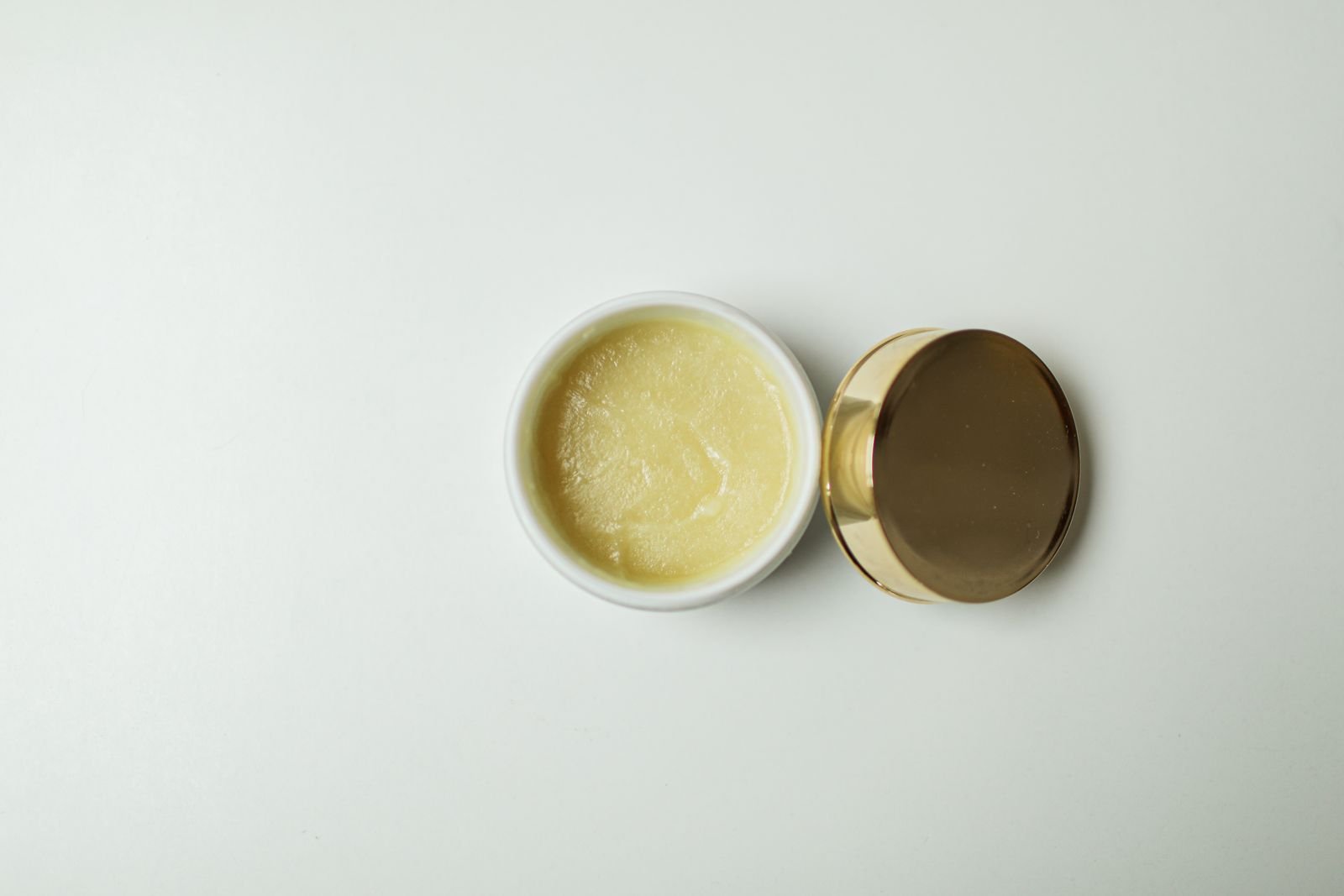
An intact pump can hide a formula that has been aging for years.
An unboxed moisturizer turns up in a drawer. Its odor seems faintly waxy, and the texture feels slightly thinner than remembered. That creates a difficult question: normal raw-material scent, or deterioration?
Fragrance-free means no added fragrance, not odorless or indefinitely stable. Oils, emulsifiers, and botanical extracts may have mild natural odors that shift as a formula ages. A sniff test alone settles little. More useful evidence includes the printed expiration or period-after-opening symbol, estimated opening date, storage conditions, package integrity, and changes in color, texture, or separation. An unfamiliar odor becomes more significant when several of those warning signs appear together.
Yes, fragrance-free moisturizer can expire
“Fragrance-free” describes the absence of added fragrance, not unlimited stability. Preservatives, emulsifiers, oils, and active ingredients can degrade, while repeated contact with air or fingers can introduce contamination.
The label may provide several different clues:
- Printed expiration date: The manufacturer indicates that the product should retain its expected quality through this date when stored as directed. Damage, heat, or contamination can make it unsuitable sooner.
- Batch code: This identifies a production lot. It is not an expiration date. Decoding often requires information from the manufacturer, and third-party code checkers may be incomplete.
- Unopened shelf life: This is the stability period for intact packaging under appropriate storage conditions. A brand’s stated period is more useful than a generic rule.
- PAO marking: An open-jar symbol such as 12M means the manufacturer recommends use within 12 months after opening. Writing the opening date on the container removes guesswork.
In the United States, ordinary cosmetics generally are not required to display expiration dates. Manufacturers remain responsible for product safety, so a missing date does not mean indefinite shelf life.
Some SPF moisturizers are regulated as both cosmetics and over-the-counter drug products. Sunscreen expiration labeling follows FDA drug rules; products without a stated expiration should not be assumed usable forever.
Create a baseline on opening day
-
Find both time limits
Locate the printed expiration date and the open-jar PAO symbol, such as 12M. The earlier cutoff governs.
-
Record the opening date
Write it on the container or save it with the product name and lot code.
-
Take clear photos
Capture the label, lot code, expiration date, packaging, and fresh product.
-
Note the starting condition
Record color, odor, texture, and consistency before normal aging makes comparisons difficult.
-
Store it consistently
Keep the moisturizer under the label’s stated conditions. Heat, sunlight, and contamination weaken the value of a baseline.
PAO starts when the package is opened. A 12M symbol generally indicates 12 months after opening, but it does not extend a printed expiration date. If that date arrives first, discard the product regardless of the remembered opening date.
Limit heat, air, water, and contact
Heat and repeated air exposure can accelerate changes in emulsions and sensitive ingredients. Store moisturizer at a stable room temperature, away from sunny windows, radiators, and hot cars. A humid bathroom cabinet is less suitable than a cool, dry drawer.
Packaging changes the amount of contact, but no consumer package keeps an opened formula sterile:
| Package | Practical comparison |
|---|---|
| Jar | Exposes a broad surface to air and repeated finger or tool contact. |
| Tube | Limits exposure, although the nozzle can touch skin or wet hands. |
| Pump | Reduces direct contact with the remaining product. |
| Airless-style dispenser | May limit air entry and product residue, but performance depends on its design and seal. |
Use clean, dry hands or a clean spatula. Close the cap promptly, wipe residue from the opening, and avoid sharing the container. Do not add water to thin a thickened moisturizer; this alters the preservative balance and is a reason to discard it.
For frequent use or shared households, a pump or airless-style dispenser generally offers less contact than a jar. Paying substantially more is not worthwhile if the formula and closure provide no meaningful advantage.
Look for changes across the whole formula
-
Compare the odor with the opening-day record
A faint raw-ingredient smell may be normal. A new rancid, sour, or unusually sharp note matters more when assessing what a change in moisturizer smell can mean.
-
Check color under neutral light
Look for darkening, yellowing, uneven patches, or discoloration around the opening. Minor variation can occur naturally, but a clear shift from the recorded baseline warrants caution.
-
Assess texture and separation
Watch for persistent oil layers, watery pockets, clumps, graininess, or unexpected thinning. One brief separation may resolve with permitted shaking; repeated separation suggests declining formula stability.
-
Inspect for visible growth
Discard the product if it shows fuzzy material, colored spots, or film that was not present when opened. Do not remove the affected portion and continue using the remainder.
-
Examine the package
A swollen container, leaking seam, cracked cap, rust, or a pump that draws air can expose the formula or signal internal change.
No single subtle change confirms expiration. Several changes occurring together provide stronger evidence than odor, color, or texture alone.
Formulas differ in natural color, viscosity, and ingredient odor. The useful signal is a meaningful departure from that product’s original state. When several warning signs appear—or visible growth or package swelling occurs—the remaining moisturizer is not worth the contamination risk.
Fragrance-free does not mean odorless
A fragrance-free moisturizer can still smell faintly waxy, earthy, medicinal, or oily. Emollients, botanical extracts, preservatives, and other raw materials have their own odors. Those odors may become more noticeable over time without indicating spoilage, especially when the formula contains no perfume to cover them.
The terms also describe different formulation choices. The Food and Drug Administration does not formally define these cosmetic claims. In common industry use, fragrance-free means fragrance was not added for scent, while unscented may mean odor-masking ingredients were added to create a neutral impression. This distinction matters when interpreting fragrance-free and unscented claims.
Neither label guarantees zero detectable smell. For fragrance-sensitive shoppers, the ingredient list is more informative than front-label wording; “fragrance,” “parfum,” or aromatic masking blends may make an unscented product poor value.
Reassess after a storage shock
Heat, freezing, water entry, repeated finger contact, or package damage should trigger an immediate reassessment. Heat can accelerate ingredient degradation. Freezing can disrupt an emulsion, while added water may dilute the preservative system.
A jar opened frequently carries more contamination opportunity than an intact airless pump. Cracked caps, failed seals, leaking pumps, or warped containers also reduce protection from air and microbes.
Shaking may temporarily remix separated oil and water, but appearance alone cannot confirm that the original droplet structure, preservative distribution, or microbial control remains intact. Separation that returns, clumps, persistent thinning, swelling, leakage, or a sharp odor change supports disposal rather than continued use.
Discard moisturizer after known water contamination, prolonged extreme heat, repeated freezing, package failure, visible growth, gas buildup, or persistent separation. Replacing it is more defensible than relying on smell or remixing.
Use the earliest reliable cutoff
Apply the label conservatively. A PAO symbol such as 12M starts when the package is opened. A printed expiration date applies according to the manufacturer’s instructions. If both are relevant, use whichever cutoff arrives first.
Discard the moisturizer immediately if odor, color, texture, or packaging has changed materially. The same applies after likely contamination, prolonged heat exposure, or a broken seal. Any one of these concerns can justify replacement before the labeled limit.
If no warning sign appears, the date still matters. Once the applicable period has passed, an unchanged appearance is not evidence that the preservative system or sensitive ingredients remain within specification.
Batch codes are weaker evidence. They often identify production records rather than a consumer expiration date. Unless the manufacturer confirms the code’s meaning, it should not be used to extend a PAO period or printed date.
Smell, color, and texture checks can detect some failures, but they cannot confirm microbial quality or ingredient stability. Without verified manufacturer guidance, an overdue moisturizer is generally not worth continuing.
Match the replacement to actual use
- Usage rate versus package size
Estimate how much is finished between opening and the earliest labeled cutoff. That volume is more useful than a bulk discount when deciding which fragrance-free face moisturizer fits.
Look forA size routinely finished within its usable period.AvoidOversized containers based on theoretical savings. - Dispensing and label clarity
Pumps can make each application more consistent, while jars and squeeze tubes produce wider variation. A clear expiration date, period-after-opening symbol, or manufacturer instruction makes replacement timing easier to judge.
Look forControlled dispensing and readable cutoff guidance.AvoidVague labels paired with a large container.
A lower cost per ounce is not a saving if part of the moisturizer reaches its cutoff unfinished. Smaller packaging may provide better practical value for occasional use, rotating routines, or products applied only to the face.
Expiration and makeup performance are separate tests
A moisturizer can remain within its labeled period yet perform poorly under foundation. Pilling, streaking, or excess slip often reflects application amount, drying time, or incompatible silicone and polymer systems—not expiration. Compare fragrance-free moisturizers designed for layering under makeup by finish and ingredient structure, while judging shelf life by storage history, packaging, and physical change.
Once a month, spend one minute on a consistent check:
- Confirm the date or period-after-opening record.
- Inspect the dispenser, cap, and product surface for residue or damage.
- Compare odor, color, texture, and separation with the opening baseline.
- Note unusual stinging or irritation and stop use pending assessment.
- Record the inspection date on the container.
- Troubleshoot pilling with a smaller amount and longer setting time only when the formula otherwise appears stable.
Contamination or a significant formula change overrides the calendar. A product with conflicting warning signs is not worth stretching to the last application. When uncertainty persists after inspection, replacement is the more defensible choice. Persistent irritation warrants guidance from a dermatologist.
