
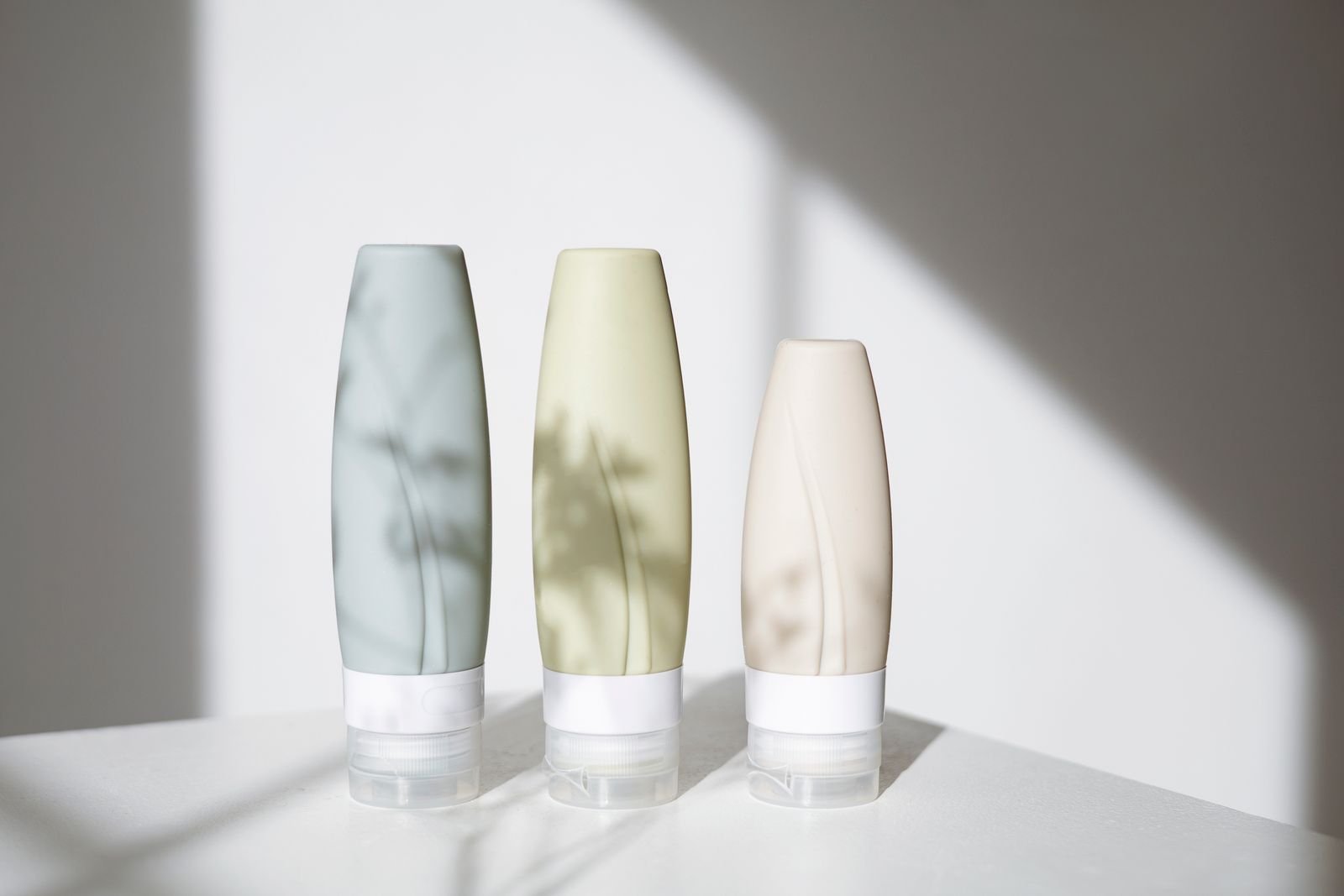
A cleanser can feel silky at the sink and still leave skin tight ten minutes later.
Two bottles sit side by side: one says gentle and hydrating, while the other promises barrier support. Neither claim reliably predicts stinging, tightness, residue, or makeup removal. Terms such as gentle are not standardized performance measures, and a premium price does not establish a milder formula.
A more useful comparison starts with the full ingredient list, cleanser format, fragrance, surfactant system, and intended use. Stronger cleansing may remove sunscreen efficiently but feel drying. Creamier formulas may reduce that stripped feeling yet leave residue or require a second cleanse. Barrier-focused ingredients also have limited contact time in a rinse-off product, so costly ceramides or botanical extracts may not justify a large markup. The practical aim is not maximum mildness. It is enough cleansing with acceptable after-feel, without paying extra for claims the formula does not meaningfully support.
Match cleansing power to the daily load
A cleanser needs to remove the material present on an ordinary day: oil, sweat, debris, sunscreen, and makeup. Selecting for occasional heavy makeup can mean paying for—and routinely using—more cleansing power than necessary.
Estimate the usual load
- Light: minimal makeup and a non-water-resistant sunscreen. A mild cream, lotion, or low-foaming gel may be sufficient.
- Moderate: layered sunscreen, complexion products, or higher oil levels. An emulsifying gel or oil-based cleanser may remove residue more reliably.
- Heavy: water-resistant sunscreen or long-wear makeup. A rinse-off oil or balm may be more efficient than repeating a weaker wash.
Judge fit after one label-directed cleanse. Visible makeup at the hairline or a persistent greasy film suggests insufficient removal. Regular tightness, roughness, or stinging suggests the formula or washing routine may be too intensive. If two full washes are routinely required, a cleanser better matched to the residue load may offer better value than simply using more product.
What cleanser texture can—and cannot—predict
Texture provides a practical first filter. It does not reveal surfactant concentration, pH, fragrance content, or irritation potential. Abundant lather can reflect formulation choices rather than stronger cleaning.
| Format | Likely strength | Residue and removal profile |
|---|---|---|
| Gel | Light daily cleansing | Usually rinses clean; removal varies widely by surfactant system. |
| Foam | Efficient oil removal | Low residue, but may feel drying when strongly degreasing. |
| Cream | Lower-degreasing wash | Often leaves a conditioned film; may struggle with resistant sunscreen. |
| Lotion | Mild, spreadable cleansing | Similar to creams, usually with lighter residue. |
| Micellar water | Light makeup or morning cleansing | Convenient, though surfactant residue may remain unless rinsed. |
| Oil | Dissolving sunscreen and makeup | Strong removal capacity; emulsification determines rinse quality. |
| Balm | Heavy makeup and water-resistant layers | High dissolving capacity, with possible waxy residue. |
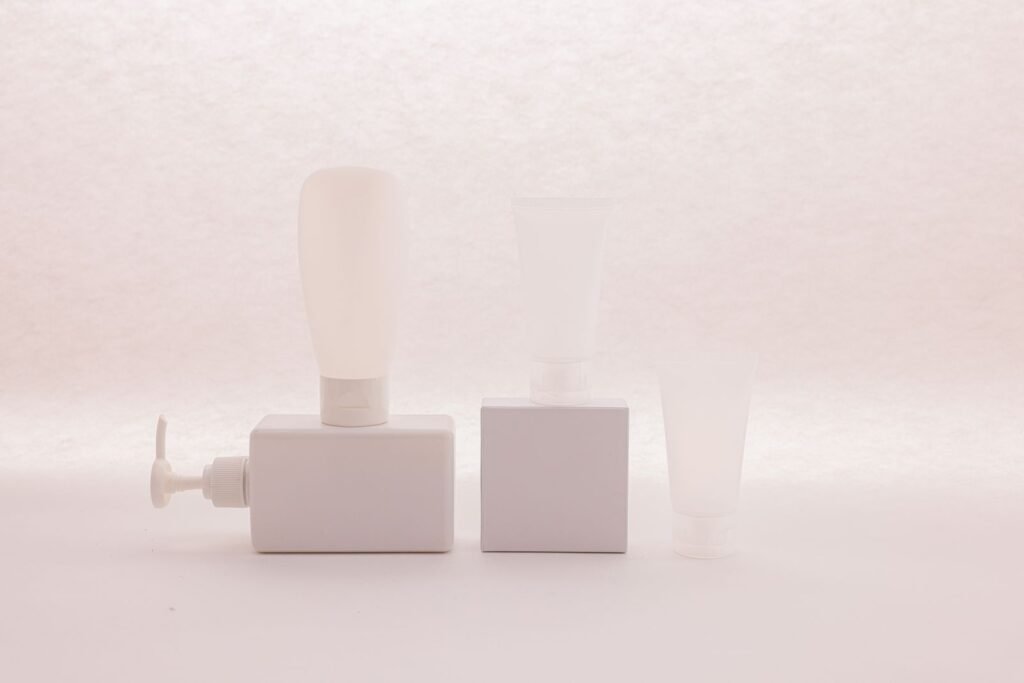
Oils and balms may reduce rubbing when removing persistent products, but they are not automatically gentler. Emulsifiers, fragrance, and rinsing behavior still matter. The comparison of Clinique and e.l.f. cleansing balms shows why a richer texture or higher price does not necessarily support better value.
For a simple, low-residue morning wash, gel, lotion, or cream formats often make more sense. For substantial sunscreen or makeup, oil and balm formats offer more proportionate removal capacity.
How surfactants actually clean
Surfactants have an oil-compatible end and a water-compatible end. They reduce tension between water, sebum, sunscreen, and debris, allowing residue to disperse into rinse water. Above certain concentrations, many form micelles, structures that can hold oily material inside.
The main classes
- Anionic surfactants often provide strong cleansing and foam. Examples include sodium lauryl sulfate, sodium laureth sulfate, and isethionates.
- Amphoteric surfactants, such as cocamidopropyl betaine, are commonly blended with anionics to modify foam and reduce irritation potential.
- Nonionic surfactants, including glucosides, often cleanse with less foam, though they are not automatically gentler.
- Cationic surfactants are used more often for conditioning than as the primary cleanser.
“Sulfate-free” is therefore a limited screening tool. Sodium lauryl sulfate and sodium laureth sulfate are different materials, and a sulfate-based cleanser can be formulated more mildly than a concentrated sulfate-free one. Surfactant blend, total concentration, pH, added solvents, contact time, and rinse behavior all affect the result.
“Coconut-derived” is similarly uninformative. It describes a possible feedstock, not the finished molecule’s cleansing strength or irritation potential. Plant origin does not establish mildness.
The ingredient list cannot settle the question. Under US Food and Drug Administration labeling rules, ingredients generally appear in descending order until the 1% threshold; those at 1% or less may appear in any order. Exact concentrations, surfactant ratios, and processing details remain undisclosed, so formula claims should be weighed alongside texture, directions, and consistent review patterns.
Separate useful support from label decoration
A wash-off product has limited contact time, so its strongest evidence comes from cleansing behavior and rinse feel. Humectants such as glycerin, emollients, and conditioning polymers may reduce a tight or squeaky after-feel. They do not turn a cleanser into a moisturizer, but they can make frequent washing more tolerable.
Ingredient placement offers context. A highlighted extract near the end of the list may be present at a low level, although ingredients used at 1% or less can appear in any order under US labeling rules. Paying a large premium for trace botanicals, peptides, or antioxidant claims is usually not worth the money when the brand provides no relevant concentration or wash-off data.
Potential complications deserve proportionate scrutiny:
- Fragrance and essential oils add scent, not cleansing function, and may be unnecessary for reactive skin.
- Exfoliating acids can add another variable to a routine, but brief rinse-off exposure may limit their effect.
- Scrub particles increase friction; particle shape, pressure, and frequency matter more than “natural” positioning.
- Complex botanical blends create many possible exposures while making the formula harder to evaluate.
None is an automatic disqualifier. A short-contact cleanser may still suit some users. For cleansers containing acids, patch-test first and introduce them gradually, particularly when other exfoliants are already used.
Why cleanser pH matters
Skin’s surface is generally mildly acidic, although values vary by body site, age, sweat, and measurement method. Cleansers near that range may disturb surface pH less than traditional alkaline soap, but pH alone does not establish gentleness. Surfactant concentration, washing time, water temperature, and rinsing also shape the result.
True soap salts—such as sodium palmate, sodium cocoate, or potassium olivate—usually signal an alkaline formula. Syndet cleansers can be acidic, neutral, or alkaline. For a fuller interpretation, see what pH range means in a face wash.
An ingredient list cannot confirm finished-product pH. Citric acid, sodium hydroxide, and similar adjusters may appear in tiny amounts; their position does not disclose the final measurement. Likewise, “pH-balanced” remains a manufacturer claim unless a numeric range and method are provided. When pH is unpublished, true soap salts suggest alkaline potential, but not an exact value or individual skin response.
Match the formula to observable skin responses
- Dryness or tightness
A squeaky finish suggests that cleansing strength or frequency may be disproportionate, even without visible flaking.
More suitable cluesLow-foam creams, milks, or mild surfactant blends with humectantsLess suitable cluesTrue soap, heavy lather, and repeated cleansing - Oiliness after washing
Oiliness alone does not establish that a stronger cleanser is needed. Overly aggressive formulas can still leave skin uncomfortable.
More suitable cluesA rinse-clean gel with a mild, well-balanced surfactant blendLess suitable cluesEscalating automatically to soap or highly degreasing formulas - Stinging or fragrance sensitivity
Fragrance-free labeling is more useful than “unscented,” which may still permit masking fragrance.
More suitable cluesFragrance-free formulas without essential oils or unnecessary exfoliantsLess suitable cluesParfum, aromatic oils, menthol, and strong acids - Low tolerance for residue
A conditioning film is not evidence of poor cleansing, but an unpleasant finish can undermine consistent use.
More suitable cluesLight lotions or gels described as rinsing cleanLess suitable cluesRich balms when residual slip is consistently disliked
Cleansers containing exfoliating acids, benzoyl peroxide, retinoids, or other actives should follow the labeled frequency. Patch test on a small area first, and avoid introducing several actives simultaneously. Persistent burning, swelling, or worsening irritation warrants stopping use. For acne, eczema, rosacea, or another skin condition, guidance should come from a dermatologist.
Removal without overcleansing
Product removal is a formula-matching problem. Water-resistant sunscreen and long-wear makeup form hydrophobic films; mineral filters are not inherently harder to remove than organic filters. A gentle cleanser can work if its surfactant blend or oil phase disperses that film. The answer to whether a gentle cleanser removes sunscreen therefore depends partly on washing method.
Before adding another cleanser, standardize the process:
- Use the manufacturer-directed dose; too little reduces contact with the entire face.
- Massage gently for about 30–60 seconds, including the hairline and sides of the nose.
- Add water as directed, particularly for emulsifying oils and balms.
- Rinse thoroughly with lukewarm water rather than scrubbing with a cloth.
Incomplete removal may show as transferred tint, visible pigment near the hairline, or a persistent waxy layer. A squeaky, tight finish is different. It can indicate heavy oil removal and friction, not superior cleansing.
One effective cleanse may be sufficient when residue is absent and skin remains comfortable. Automatic double cleansing adds another surfactant exposure without guaranteed benefit. If film remains, an oil-based first step or a more removal-focused single cleanser is generally more rational than longer, harder massage.
A five-pass check before comparing cleansers
-
Define the cleaning task
The formula should match the residue involved: bare skin, light sunscreen, water-resistant sunscreen, or makeup. A gentle cleanser that cannot remove the intended film is a poor fit.
-
Verify the current formula
Use the manufacturer’s current US ingredient list and directions, not retailer summaries or old packaging photographs. The CeraVe and Vanicream formula comparison shows how surfactants and supporting ingredients can differ despite similar positioning.
-
Look for disclosed pH
A numeric pH or narrow range is more informative than “pH balanced.” No disclosed value does not prove harshness, but it leaves an important variable unknown.
-
Read the directions closely
Required dwell time, amount, eye-area restrictions, and makeup-removal instructions reveal intended use. The La Roche-Posay and CeraVe comparison illustrates why similar directions do not make formulas interchangeable.
-
Calculate usable value
Compare package volume, suggested amount, pump control, and whether a separate first cleanse is routinely needed. A premium formula is not worth the money when its disclosed composition and function do not support the surcharge.
Evidence should be weighted by proximity to the actual formula. Conflicts are resolved in favor of current, specific documentation.
-
Primary evidence
Current manufacturer specifications, published ingredient lists, directions, and disclosed pH carry the most weight.
-
Contextual evidence
Reputable dermatology guidance helps interpret fragrance, cleansing frequency, and irritation risk without declaring one universal winner.
-
Review patterns
Repeated reports of stinging, tightness, residue, or pump failure can flag questions. Reviews cannot establish causation or replace formula data.
Marketing claims receive little weight unless the available specifications support them.
Let Skin Response Settle the Decision
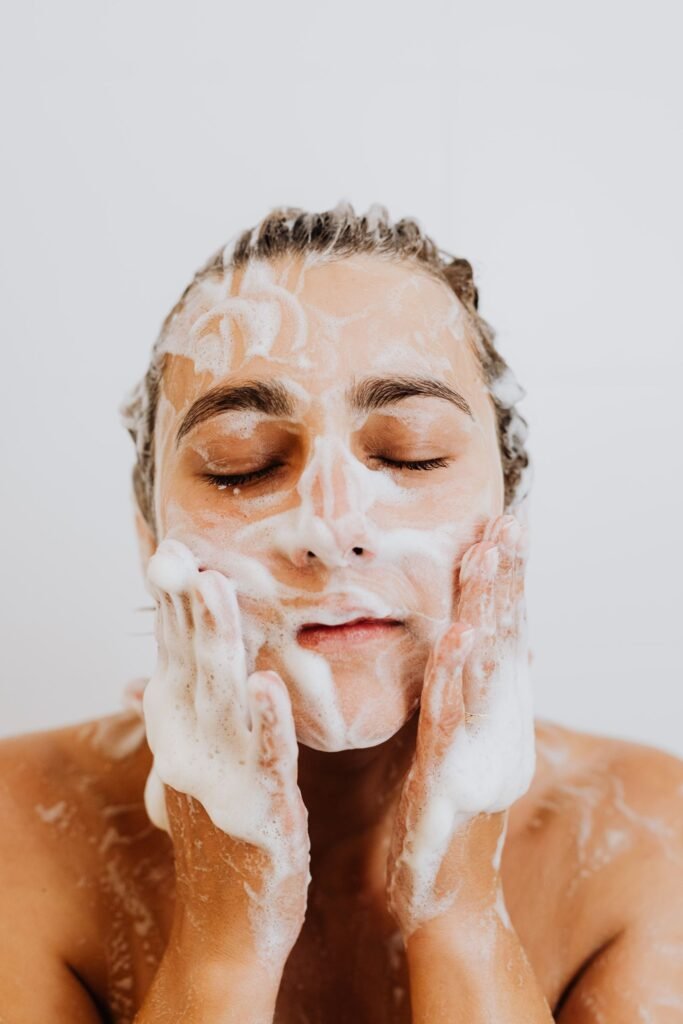
Treat a new cleanser as a controlled trial. For several days, keep lukewarm water, product amount, massage time, rinse method, and daily frequency consistent. Record immediate comfort, tightness after drying, residue, and sunscreen or makeup removal. A simple log separates formula fit from inconsistent technique.
If discomfort repeats, change one variable, then reassess. Use a focused check for post-wash tightness or review common reasons face wash stings to isolate likely causes. Stop use and consult a dermatologist for persistent or significant reactions. Observed fit matters more than “gentle” on the label.
