
A prestige label matters less when the formula stays on skin for under a minute.
At checkout, Clinique Take the Day Off and e.l.f. Holy Hydration can look functionally interchangeable: solid balms intended to dissolve makeup, emulsify with water, and rinse away. The meaningful question is whether Clinique delivers cleaner removal or a more agreeable rinse feel often enough to justify its premium.
Because these are rinse-off products, moisturizer-style claims deserve limited weight. The decision rests more on cleansing performance, residue, eye-area comfort, and ingredient preferences than on added skincare language. Clinique may suit shoppers who value its formula profile and brand consistency. For many others, e.l.f. appears to cover the same core job for less. The charcoal Clinique balm is a separate preference, not an automatic upgrade.
A cleansing balm has one job, and both of these do it. The gap between them is money: one costs several times the other, and the question is what that money is actually buying once the makeup is off.
Three balms, three distinct cases

What the premium buys
Retail price alone is misleading. Clinique is generally sold in a larger standard jar, while the supplied e.l.f. listing contains 2 oz. Cost per ounce narrows the comparison, but cleansing performance and tolerance still determine value.
Published specifications show meaningful differences. Clinique is fragrance-free, uses safflower oil with a Sorbeth/PEG emulsifying system, and is explicitly positioned for face and eye makeup. e.l.f. uses a PEG-20 emulsifier and contains parfum, plus ceramide NP, sodium hyaluronate, and a peptide. Those additions appear relatively low on the rinse-off formula’s list, so they do not establish moisturizer-like benefits. FDA cosmetics-labeling guidance explains that ingredients generally appear in descending order, with exceptions for those at 1% or less.
Both products come in wide-mouth jars. Aggregated retailer reviews commonly praise their melting texture and emulsification. Clinique feedback more often emphasizes low residue, while some e.l.f. reviewers mention scent or temporary eye cloudiness. These are attributed anecdotes, not controlled findings.
For heavy SPF use, the more useful benchmark is how effectively gentle cleansers remove sunscreen. Clinique’s premium is easier to justify for fragrance avoidance and explicit eye-area positioning; otherwise, e.l.f. offers the stronger cost case.
Set the marketing aside and the comparison narrows to four things: what the oil base is, whether the formula carries fragrance, how much product is in the jar, and what an ounce of it costs.
| Premium pick Clinique Take the Day Off Cleansing Balm | VS | Budget alternative e.l.f. Holy Hydration Makeup Melting Cleansing Balm |
|---|---|---|
Premium | Cost tier |
Lower-cost |
Larger standard jar | Listed size |
2 oz |
Fragrance-free | Fragrance status |
Contains parfum |
Sorbeth/PEG | Emulsifying system |
PEG-20 |
Explicit face + eye | Eye-area positioning |
General makeup removal |
| View | View |
Clinique is the reference point here rather than the winner. It is fragrance-free, it is the version most people mean when they name the category, and it is priced accordingly.
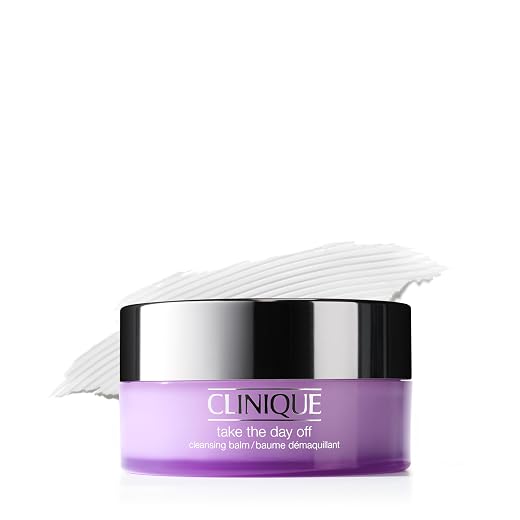
Clinique Take the Day Off: the focused original
Best for effective, all-over makeup and sunscreen removal.
Clinique’s manufacturer specification positions this fragrance-free balm for dissolving face makeup, eye makeup, and sunscreen across skin types. Its narrow purpose suits buyers who prefer a straightforward cleanser without added fragrance.
Cleansing power versus rinse feelAggregated user reviews commonly praise makeup removal, but rinse feedback is less uniform. Some report a clean emulsification; others describe residual slip that may prompt a second cleanse. The published formula uses a conventional oil, wax, and emulsifier structure. It supports effective dissolving, but does not establish materially stronger cleansing than a competent lower-cost balm.
- Fragrance-free formula
- Face and eye makeup positioning
- Designed to remove sunscreen
- Focused ingredient architecture
- Premium cost lacks a clear cleansing advantage
- Rinse feel divides reviewers
- May still require a second cleanse
e.l.f. is the direct substitute, and it is direct on purpose. The format, the texture and the claim are all built to sit next to the Clinique jar and cost a fraction of it.
e.l.f. Holy Hydration: the direct budget substitute
Top value alternative to Clinique’s cleansing balm.
e.l.f. follows Clinique’s basic architecture: ester emollients dissolve makeup, while PEG-based emulsifiers help the balm rinse away. It suits buyers prioritizing cleansing value over a fragrance-free formula.
Ceramide NP, sodium hyaluronate, and peptides add label appeal, but brief rinse-off contact makes substantial leave-on benefits unlikely. They do not materially separate the formula from Clinique as a cleanser.
Where the trade-offs appearParfum gives e.l.f. a noticeable scent. The FDA notes that fragrance mixtures may appear simply as “fragrance”, which limits ingredient transparency. Those investigating why cleansing products may sting should consider fragrance exposure, particularly around the eyes.
Retailer reviews commonly praise makeup breakdown and soft after-feel. Less favorable reports mention eye cloudiness, scent, or a film after rinsing. These patterns are anecdotal, not controlled performance data. The 2-ounce screw-top jar is compact but requires repeated finger or spatula access.
- Similar emollient-and-emulsifier cleansing approach
- Lower-cost positioning
- Compact jar format
- Contains parfum
- Rinse-off extras offer limited value
- Reported film or eye cloudiness
The charcoal version is a third option only in the loosest sense. It changes the color of the balm and the way residue shows, not the cleansing proposition underneath.
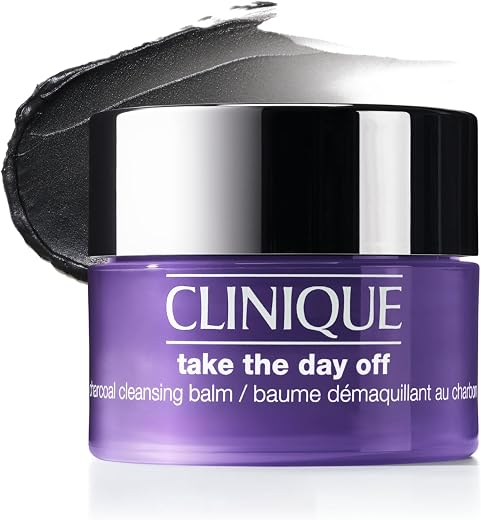
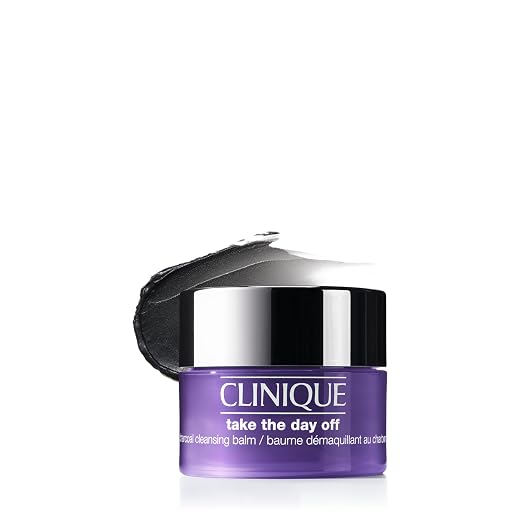
Clinique Charcoal: a format-led alternative
A Clinique option tailored to oilier skin types.
Clinique positions this balm for dry-combination through oily skin and claims removal of makeup and sunscreen. Its cleansing structure closely resembles the original balm, with charcoal powder providing the main distinction. The manufacturer’s specifications do not establish that charcoal cleans more deeply than the original formula.
This version makes the most sense for shoppers who specifically prefer a charcoal balm or its dark color—not for those expecting clearly stronger cleansing.
- Removes oil-based makeup and sunscreen
- Fragrance-free formula
- Dark color shows remaining residue
- No substantiated deeper-cleansing advantage
- Pigment can look messy during rinsing
- Costs more than e.l.f. alternatives
The dark balm may make leftover residue easier to spot, but it can also create a messier-looking rinse around the eyes. Those who prefer a colorless eye-makeup remover may favor original Clinique.
Charcoal should not be assumed to improve acne. Anyone managing acne or another skin condition should consult a dermatologist.
Which of the three is worth buying depends less on the balm than on what you are removing and whether fragrance is a problem for your skin.
Which cleansing balm is worth it?
The honest summary is that the cheap one works. The premium buys a fragrance-free formula and a known quantity, and those are worth something to some people and nothing to others.
A practical way to choose
For value, e.l.f. is the logical starting point. The original Clinique becomes more defensible when fragrance avoidance or a more minimal formula matters; otherwise, the premium is difficult to justify. The Charcoal version suits a specific preference for charcoal, not an established cleansing advantage. A broader gentle cleanser selection guide can help place these trade-offs in context.
Before purchasing, verify the current ingredient list on the package or manufacturer’s site. During normal use, judge rinse residue, eye comfort, and post-cleanse tightness. Those signals are more useful than “hydrating” or “detoxifying” language, which does not establish real-world performance.
