

“Lightweight” describes both oils, but not the finish they leave behind.
One oil can disappear under sunscreen; another can leave a soft amber sheen and a faint earthy scent. Squalane typically offers more slip, less odor, and a clearer, more uniform consistency. Rosehip oil usually feels richer despite its fluid texture, with color and aroma that vary by extraction method, refinement, and freshness.
The useful comparison is not synthetic versus natural. It is finish, skin context, and formulation quality. Squalane’s chemically stable structure generally suits routines that need predictable layering and minimal sensory impact. Rosehip oil contains a more complex mixture of fatty acids and minor plant compounds, but that complexity also makes oxidation and packaging more consequential. A dark, well-sealed bottle matters; vague purity claims do not. Neither oil justifies a premium when the ingredient list, bottle design, or freshness information fails to support the marketing.
At-a-glance finish comparison
The contrast starts with chemistry. Squalane is a single, saturated hydrocarbon, usually derived from sugarcane or olives. Rosehip oil is a triglyceride mixture containing linoleic, alpha-linolenic, and oleic acids, plus variable minor compounds.
| Property | Squalane | Rosehip oil |
|---|---|---|
| Spread | Fast, even slip | Slightly more drag; depends on fatty-acid profile |
| Perceived absorption | Often seems quick because the film is thin | May feel slower or more substantial |
| Residue | Silky, relatively dry | Soft to oily, depending on dose |
| Sheen | Usually low to moderate | Commonly more noticeable |
| Odor and color | Typically clear and nearly odorless | Yellow to orange, with an earthy or seed-like scent |
| Stability | Comparatively resistant to oxidation | More oxidation-prone because of its unsaturated fats |
| Formula compatibility | Easy to add without changing scent or color much | Can influence color, odor, and shelf-life requirements |
“Absorption” here describes skin feel, not proof that one oil penetrates farther. Application amount, the moisturizer underneath, climate, and skin surface can reverse the expected result.
For a predictable, low-odor finish under sunscreen or makeup, squalane is usually the simpler choice. Rosehip may suit buyers seeking a more cushioning oil and a less neutral sensory profile. However, heavily fragranced or poorly packaged rosehip products are difficult to justify: added scent does not improve the oil, while clear bottles offer less protection from light.
Why the oils feel different
Squalane and squalene are not interchangeable. Squalene is an unsaturated component of human sebum. Its multiple carbon double bonds make it relatively vulnerable to oxidation. Hydrogenation converts it into saturated squalane, which is more stable and generally has little color or odor.
That structure also helps explain squalane’s light, even slip. It forms a nonpolar emollient film without the pigments, aromatic compounds, and triglycerides found in seed oils. Source material matters less than purity and processing once the finished ingredient is squalane.
Rosehip oil is a mixture dominated by triglycerides containing linoleic, alpha-linolenic, and oleic acids. Their proportions vary with plant species, growing conditions, extraction, and refinement. Greater unsaturation increases oxidation risk. Cold-pressed oils may retain more color and aroma, while refined versions are usually paler and more neutral.
Dark packaging and limited exposure to heat, air, and light matter more for rosehip. A stale or paint-like smell can indicate deterioration.
The single-ingredient formula makes its finish and stability easier to assess than a blended facial oil.
The brand describes it as non-comedogenic. That label cannot guarantee compatibility with every acne-prone complexion. Persistent acne warrants advice from a dermatologist.
What “lightweight” looks like on skin
“Fast-absorbing” has no standardized cosmetic definition. It may describe fading slip rather than measurable absorption. Dose, moisturizer, humidity, and skin texture can alter the result as much as the oil itself.
| Quality | Squalane | Rosehip oil |
|---|---|---|
| Spread | Usually travels farther with less drag | Often spreads more slowly |
| Cushion | Thin, silky film | Fuller, oilier feel |
| Tack | Generally low | More formula-dependent |
| Shine | Satin to glossy, depending on dose | Usually a more visible sheen |
| Residue | Relatively uniform | Can feel richer or heavier |
Thin does not mean invisible. Several drops of squalane can leave pronounced gloss, especially over a hydrating moisturizer. Rosehip oil may feel drier than expected when highly refined, but fatty-acid composition and oxidation can change its drag and residue.
Under sunscreen, excess oil can slow film setting or contribute to unevenness. Under makeup, either oil may increase slip and foundation movement. A practical comparison uses one drop over the same moisturizer, followed by a five-minute wait. Check shine, fingertip tack, and whether sunscreen or complexion products pill. Squalane is often the more predictable layering choice; rosehip better suits buyers who accept more cushion and finish variation.
Freshness matters more for rosehip
Hydrogenated squalane is comparatively resistant to oxidation. Rosehip oil contains more oxidation-prone unsaturated fatty acids, so storage conditions have greater influence on quality.
Fresh rosehip oil may naturally appear golden to deep orange and smell earthy, nutty, or slightly herbal. Those traits do not establish rancidity. More concerning changes include a newly sharp, sour, paint-like, or crayon-like odor, especially alongside darkening or increased tackiness.
For either oil, but particularly rosehip:
- Choose an opaque or dark container with a tight closure.
- Store it away from windows, radiators, and humid showers.
- Close the bottle promptly and avoid touching the dropper to skin.
- Buy a smaller container when use will be occasional.
A large bottle offers poor value if oxidation outpaces the usage rate.
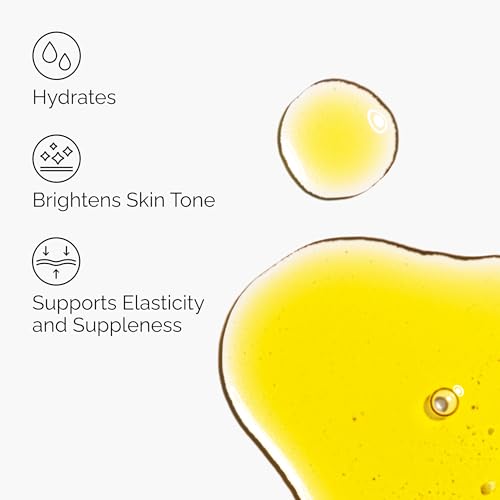
This formula contains only organic, cold-pressed rosehip seed oil. Its unrefined character explains natural variation in scent and color.
The brand notes that scent alone cannot confirm rancidity. A one-ounce bottle is more sensible when regular use supports timely turnover.
- Formula
- 100% rosehip seed oil
- Extraction
- Cold-pressed
- Finish
- Unrefined
- Size
- 1 fl oz
For oily, combination, and blemish-prone skin
For oily skin, squalane is usually the more predictable starting point. Its uniform composition and low-residue slip make dose control easier, especially over sunscreen. One or two drops on damp skin may add softness without the richer sheen often associated with rosehip oil.
Combination skin can take a selective approach: apply oil to dry areas and skip an already-shiny T-zone. Rosehip may suit readers who prefer a more emollient, visible finish, but it is less forgiving when overapplied.
Comedogenic ratings should not settle the choice. These charts often rely on methods or concentrations that do not represent a finished facial product. They cannot predict an individual response.
Introduce one oil at a time and watch for new congestion or irritation across several uses. Stop if either appears. Persistent or painful acne warrants assessment by a dermatologist rather than repeated oil swapping.
For dry and sensitive skin
Dry skin may favor rosehip oil’s more noticeable film, especially over moisturizer at night. Its triglyceride-rich texture can reduce the sensation of tightness, although the finish may look shinier. Squalane adds slip with less perceived weight, making it easier to layer under sunscreen or makeup.
Sensitive or redness-prone skin calls for a fragrance-free formula with a short ingredient list. Rosehip seed oil is not equivalent to added essential oils in moisturizers, but botanical oils can still vary by processing, freshness, and residual aromatic compounds. Squalane’s chemical uniformity may reduce those variables, though individual reactions remain possible.
Persistent redness, burning, or scaling warrants assessment by a dermatologist.
Neither oil supplies water or humectants such as glycerin. For dry skin, apply oil after a water-based moisturizer to reinforce the surface film rather than replacing the hydration step.
Control the finish by controlling the dose
-
Apply moisturizer first
Use the usual amount on slightly damp skin. This supplies water and humectants before the oil adds an occlusive film.
-
Start with one drop
Warm it between clean fingertips, then press it over the face rather than rubbing repeatedly. One drop often shows whether the finish will remain satin or turn glossy.
-
Add only if needed
Wait several minutes, then reassess tightness, slip, and shine. Add a second or third drop only to dry areas; more oil usually changes the finish more than switching between squalane and rosehip.
-
Keep the order simple
Oil generally sits after moisturizer in a facial-oil layering routine. Applying it earlier may reduce how evenly water-based products spread.
-
Mix for lighter coverage
One drop can be blended into a single application of moisturizer in the palm. This distributes a small dose evenly, though it makes the exact finish less predictable than separate layers.
Patch-test a new oil on a small area first, particularly when skin is reactive.
Oil can alter a sunscreen’s film formation and distribution. Apply sunscreen as a separate, even layer after moisturizer and oil have settled. Mixing either oil into sunscreen may compromise the labeled protection, even when the blend looks uniform.
When layers start to pill
Pilling occurs when excess product, friction, or incompatible film-formers make layers roll into flakes. Neither oil is inherently responsible; formulas, order, dose, and drying time all matter.
Troubleshoot without weakening SPF
- Apply water-based layers first, then moisturizer. Allow each layer to settle.
- Limit oil to one or two drops. Press rather than rub.
- Apply sunscreen last, using the labeled amount. Never mix oil into it; dilution may disrupt the intended film.
- If rolling continues, move the oil to the evening rather than reducing sunscreen.
These steps to stop facial oil from causing pilling preserve an even sunscreen layer.
What deserves a higher price
- Read beyond the front label
Use the complete INCI list to compare facial oil ingredient profiles. Added fragrance and essential oils change the irritation equation, while blends make oil-specific claims harder to assess.
Worth paying forA short, disclosed formula that matches the product nameWeak value signals“Pure” branding contradicted by fragrance or undisclosed blends - Demand useful processing details
Rosehip listings should identify seed versus fruit oil and describe extraction or refining. Squalane source claims matter less because hydrogenation produces the same stable molecule.
Worth paying forSpecific extraction, refining, and sourcing disclosuresWeak value signalsLuxury markups based mainly on sugarcane, olive, or geographic origin - Check oxidation controls
Rosehip benefits from opaque packaging, limited air exposure, and antioxidants such as tocopherol. Plain squalane is more stable, so elaborate antioxidant stories add limited value.
Worth paying forLight-protective packaging and a practical closureWeak value signalsClear, oversized rosehip bottles with vague freshness claims - Compare usable volume
Cost per ounce is more informative than bottle styling. A large container offers poor value if unstable oil deteriorates before routine use.
Worth paying forA size compatible with a few drops per applicationWeak value signalsDecorative packaging that raises cost without protecting the formula

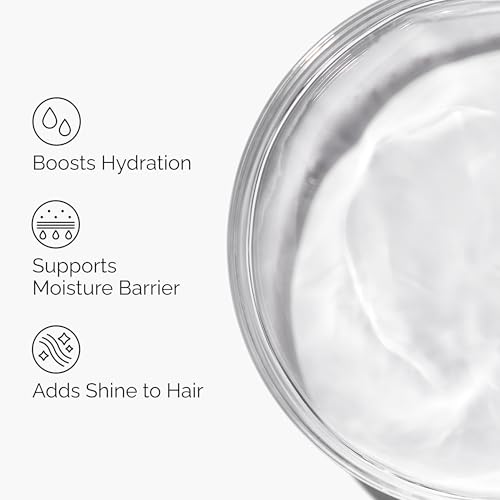
The listing presents this as 100% squalane in a 30 ml bottle. That simplicity can suit readers avoiding fragrance and botanical blends.
The broader hydration, fine-line, firmness, and elasticity claims exceed what the supplied listing substantiates. Plain squalane mainly functions as an emollient. Value therefore depends on the current INCI, closure, and cost per ounce, not ambitious copy. Without documented sourcing or packaging advantages, a luxury premium would not be justified.
- Listing claim
- 100% squalane
- Size
- 1 fl oz / 30 ml
- Marketed uses
- Face, hair, skin
Choose by finish, not by broad skin-type claims. Squalane is the more predictable option for clear color, minimal odor, stable slip, and easier layering. Rosehip oil suits buyers willing to accept more variation in color, scent, richness, and storage life.
Start with one or two drops, patch test first, then judge the finish across several uses under the same moisturizer and sunscreen. This shows where facial oil fits in a basic routine without confusing oil performance with changes elsewhere. If the routine lacks a well-formulated moisturizer, that is often the more useful purchase. Neither oil supplies the water-binding ingredients and emulsified barrier support that a complete moisturizer can provide.
