

UV Clear is sheer and mixes in a chemical filter. CeraVe is mineral-only and more moisturizing.
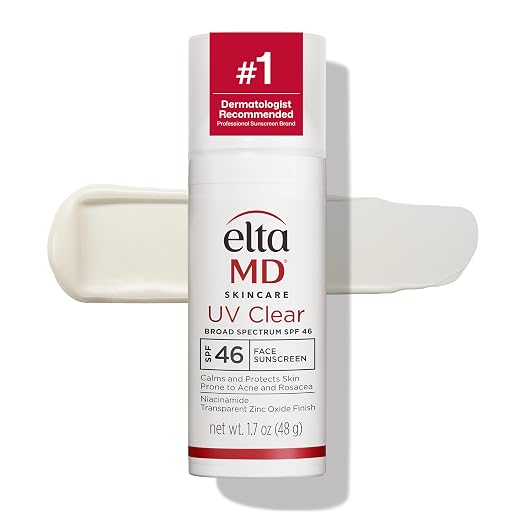
EltaMD UV Clear SPF 46 and CeraVe Hydrating Mineral SPF 30 are built for different skin. UV Clear is a hybrid: 9% zinc oxide plus 7.5% octinoxate, a chemical filter, in a light, oil-free base with a lot of niacinamide. It goes on sheer and suits oily, acne-prone and redness-prone skin.
CeraVe is mineral-only: titanium dioxide and zinc oxide in a moisturizing base with glycerin, three ceramides and hyaluronic acid. It’s better for dry or sensitive skin and costs far less per ounce, but it leaves a visible white cast on medium and deeper skin tones. CeraVe’s SPF 50 version uses the same base with more mineral filter.
Which sunscreen fits your skin?

| Sheer, for oily skin EltaMD UV Clear Oil-Free Zinc Face Sunscreen | VS | Mineral, for dry skin CeraVe Hydrating Mineral SPF 30 Face Sunscreen |
|---|---|---|
9% zinc oxide, 7.5% octinoxate | UV filters |
6% titanium dioxide, 5% zinc oxide |
46 | SPF |
30 |
Minimal | White cast |
Noticeable on medium and deep tones |
Niacinamide (high), hyaluronic acid, vitamin E | Skin-care ingredients |
Glycerin, 3 ceramides, cholesterol, niacinamide, hyaluronic acid |
1.7 oz; several times the cost per ounce | Size and cost |
2.5 oz; far less per ounce |
| View | View |
EltaMD UV Clear: sheer, niacinamide-rich and not mineral-only
Sheer hybrid sunscreen with niacinamide.
UV Clear protects with 9% zinc oxide and 7.5% octinoxate. Despite the zinc in the name, it’s a hybrid: one mineral filter and one chemical filter. That mix is why it goes on sheer, with far less white cast than an all-mineral formula.
The base is light and silicone-based. Niacinamide sits third on the list, right after water and a silicone, so there’s a meaningful amount of it. Niacinamide helps calm redness and is well tolerated by acne-prone skin. Hyaluronic acid, vitamin E and a little lactic acid round it out.
It’s fragrance-free, oil-free, paraben-free and noncomedogenic, in a 1.7-ounce bottle. It costs several times as much per ounce as CeraVe, and dry skin will want a moisturizer underneath.
- Sheer finish with little white cast
- Niacinamide is the third ingredient, ahead of everything but water and silicone
- Fragrance-free, oil-free and noncomedogenic
- Not mineral-only: includes 7.5% octinoxate
- Costs several times as much per ounce as CeraVe
- Light enough that dry skin needs a moisturizer underneath
- Not water resistant
CeraVe Hydrating Mineral SPF 30: a moisturizer with mineral SPF
Mineral-only sunscreen with ceramides for dry skin.
CeraVe protects with mineral filters only: 6% titanium dioxide and 5% zinc oxide. Around them is a real moisturizer. Glycerin is the second ingredient, followed further down by ceramides NP, AP and EOP, cholesterol, niacinamide, hyaluronic acid and panthenol. On dry skin, it can stand in for your morning moisturizer.
It’s fragrance-free, oil-free and non-comedogenic. The catch is the cast. Titanium dioxide leaves a white sheen that blends out on fair skin but stays visible on medium and deeper tones.
The 2.5-ounce tube costs a fraction of UV Clear per ounce, which makes it easy to apply the generous amount sunscreen needs.
- Mineral filters only: 6% titanium dioxide, 5% zinc oxide
- Glycerin, three ceramides, cholesterol and hyaluronic acid for dry skin
- Fragrance-free and oil-free
- Costs a fraction of UV Clear per ounce
- Visible white cast, especially on deeper skin tones
- Thicker and slower to blend than UV Clear
- Not water resistant
CeraVe Hydrating Mineral SPF 50: more protection, more cast
Higher-SPF mineral sunscreen with the same ceramide base.
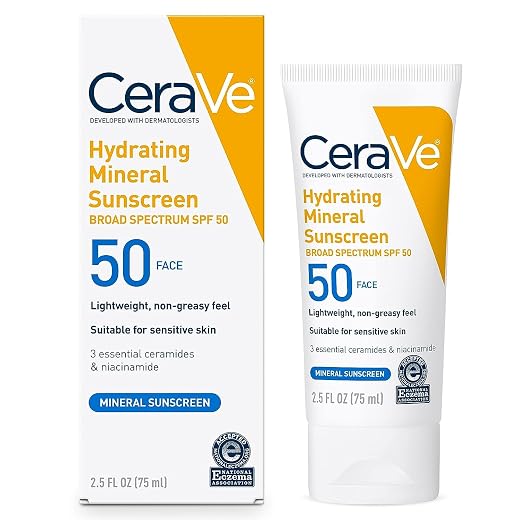
The SPF 50 version uses the same moisturizing base as the SPF 30: glycerin, three ceramides, cholesterol, niacinamide and hyaluronic acid. The difference is the filters. It has 9% titanium dioxide and 7% zinc oxide, up from 6% and 5%.
That buys you a higher SPF for long days outdoors, and it costs you a heavier white cast. It’s fragrance-free, oil-free and non-comedogenic, and it’s accepted by the National Eczema Association. The tube is the same 2.5 ounces as the SPF 30.
- SPF 50 with mineral filters only (9% titanium dioxide, 7% zinc oxide)
- Same ceramide, niacinamide and hyaluronic acid base as the SPF 30
- Fragrance-free and accepted by the National Eczema Association
- More mineral filter means more white cast
- Not water resistant
- Same 2.5-ounce tube as the SPF 30, despite the travel-size name
Filters, cast and skin type
Is EltaMD UV Clear a mineral-only sunscreen?
No. It pairs 9% zinc oxide with 7.5% octinoxate, a chemical filter. If you want mineral filters only, buy either CeraVe.
Which one leaves less white cast?
EltaMD UV Clear. It has a single mineral filter plus octinoxate and goes on sheer. Both CeraVe sunscreens rely on titanium dioxide and zinc oxide alone, and the SPF 50 has more of both, so it shows more.
Which is better for dry skin?
CeraVe. Glycerin is second on its list, and it adds three ceramides, cholesterol and hyaluronic acid. UV Clear is a lighter, oil-free lotion that most dry skin will want a moisturizer under.
Is CeraVe SPF 50 better than SPF 30?
It blocks a little more UVB and has more mineral filter, which also means more cast. Pick it for long days outdoors. For a few minutes of sun on your commute, SPF 30 applied generously is enough.
Are any of them water resistant?
No. None of the three is labeled water resistant. For swimming or heavy sweating, use a sunscreen that is.
For oily or breakout-prone skin, often yes. A sunscreen you’ll actually wear every day beats a cheaper one that sits in a drawer. If your skin is dry, fair, or you want mineral filters only, CeraVe does the job for a fraction of the cost per ounce.
Choose EltaMD UV Clear if your skin is oily, acne-prone or red, or if mineral sunscreens leave you looking gray. It’s sheer, fragrance-free and heavy on niacinamide. Know that it mixes zinc oxide with octinoxate, a chemical filter, and costs several times as much per ounce.
Choose CeraVe Hydrating Mineral SPF 30 if your skin is dry or sensitive and you want mineral filters only. Ceramides, glycerin and hyaluronic acid make it the more moisturizing of the two, and it costs far less. Expect some white cast. Step up to the SPF 50 version for long days outside, and expect a bit more cast.
Whichever you pick, use about a quarter teaspoon for your face and reapply every two hours outdoors.
