

Yes, you can use retinol and azelaic acid together. Just don't put them on at the same time.
Retinol and azelaic acid make a strong pair. Retinol speeds up cell turnover, which smooths texture and fades marks over time. Azelaic acid calms redness, helps with breakouts and fades dark spots. The easy rule: azelaic acid in the morning, retinol at night, or alternate nights if your skin is sensitive.
Below, we cover how to start both and which azelaic acid to pick. If you’re still choosing between formulas, our Anua vs. The Ordinary azelaic acid comparison covers serum vs. suspension, and our step-by-step guide shows how to add azelaic acid to your routine on its own first.
Can retinol and azelaic acid be used together?
Can both go in one routine?
Yes. They do different jobs and work well side by side. The simplest setup is azelaic acid in the morning and retinol at night.
Can I layer them on the same night?
Some skin tolerates it, but it raises the odds of dryness and stinging, and you gain nothing over splitting them. Keep them in separate routines.
If I do layer them, which goes first?
Thinnest texture first. Apply the serum, let it dry, then the cream. Follow with moisturizer.
How do I know which one is irritating me?
Start them two weeks apart. If your skin reacts after adding the second one, that’s the culprit. Cut it back to two or three times a week.
Do I need a product that has both?
No. Two separate products let you adjust each one. If retinol dries you out, you can cut it back without losing your azelaic acid.
Is CeraVe's retinol a good partner for azelaic acid?
Why this retinol?
It’s encapsulated and paired with niacinamide and ceramides, so it’s gentler than many beginner retinols. It also targets post-acne marks, the same problem azelaic acid helps with.
Do the ceramides and niacinamide stop irritation?
They help, but they don’t make it irritation-free. Expect some dryness in the first weeks, and start two or three nights a week.
Will it fix indented acne scars?
No. It helps flat dark marks and rough texture. Pitted or indented scars need in-office treatments.
How should I start it?
Patch-test, then use a pea-sized amount two or three nights a week. Build to nightly over a few weeks if your skin stays comfortable.

A gentle first retinol aimed at post-acne marks. It combines encapsulated retinol with niacinamide, a licorice-root derivative (dipotassium glycyrrhizate) for uneven tone, and ceramides NP, AP and EOP plus cholesterol for the barrier. There’s no added fragrance, and it’s labeled non-comedogenic.
Use it at night only, after cleansing and before moisturizer. It’s a good match for azelaic acid in the morning. Skip it if you’re pregnant or trying to conceive.
How to start retinol and azelaic acid
- Patch-test each product separately
Dab each new product on your jawline once a day for three or four days. Test them separately so you know which one caused any reaction.
- Start with one active
Begin with whichever one targets your main concern. Use it alone for two weeks with a gentle cleanser and moisturizer. Our guide on how to add azelaic acid to your routine covers starting it on its own.
- Add the second on alternating nights
Add retinol two or three nights a week. On the other nights use azelaic acid, or just moisturizer if your skin feels dry.
- Settle into a morning/night split
Once both feel comfortable, move azelaic acid to the morning under sunscreen and use retinol every night. That way you never layer the two in one routine.
- Wear sunscreen every day
Use broad-spectrum sunscreen with SPF 30 or higher every morning. Both ingredients target marks and uneven tone, and sun exposure undoes that work.
Burning that lasts, flaking that spreads, or skin that stings when you apply plain moisturizer means your barrier needs a break. Stop both actives for a week, use only cleanser, moisturizer and sunscreen, then restart one at a time. If redness or acne keeps coming back, see a dermatologist.
Does The Ordinary's suspension work with retinol?
Is 10% strong enough?
For over-the-counter azelaic acid, 10% is a solid strength for redness, breakouts and dark marks. Both azelaic picks here use it, so the choice comes down to texture.
Why does it pill?
It’s heavy on silicones, which can roll into little flakes when rubbed over other products. Use a pea-sized amount, pat instead of rubbing, and give it a minute to set before sunscreen.
Can I use it on retinol nights?
Keep it out of your retinol routine. Use it in the morning, or on the nights you skip retinol.
When should I switch to a different formula?
If it pills every day or feels too slick under makeup, a cream like Good Molecules will layer better at the same 10% strength.
10% azelaic acid in a silicone-rich cream-gel (dimethicone, isodecyl neopentanoate, polysilicone-11). The smooth silicone base suits oily skin, but it can pill under other layers. Use it in the morning and keep retinol for night, not the same routine.

Do I need both ingredients?
No. Pick the one that matches your main problem: retinol for texture, fine lines and clogged pores; azelaic acid for redness, breakouts and dark marks. Add the second only if your skin is comfortable on the first.
What irritation is normal at the start?
Mild dryness or flaking in the first few weeks of retinol, and a brief tingle from azelaic acid, are common. Burning that lasts, swelling or cracked skin are not. Stop both and go back to cleanser, moisturizer and sunscreen.
Is alternating nights a good option?
Yes. Retinol one night, azelaic acid the next, moisturizer every night. It’s the gentlest way to use both, and it keeps the routine easy to troubleshoot.
How do I bring a product back after a break?
Restart it two or three times a week, then build up. Bring back one product at a time.
Which azelaic acid fits a redness-focused routine?
Is Good Molecules stronger for redness?
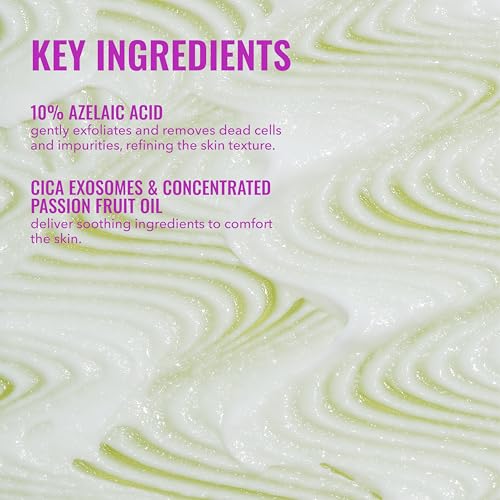
No. Both contain 10% azelaic acid. Good Molecules adds soothing extras (bisabolol, centella, ginger root extract) in a softer cream base, which makes it the easier pick for redness-prone skin.
What's the real difference between the two?
The base. The Ordinary is silicone-rich (dimethicone and silicone polymers) with a cream-gel feel. Good Molecules uses a triglyceride and glycerin base with passion fruit seed oil, so it feels more like a light cream.
When does Good Molecules make more sense?
When your skin is dry or easily flushed, or when you wear several layers in the morning and The Ordinary pills under them.
Does either one change how I add retinol?
No. Use either one in the morning and retinol at night, or alternate nights if your skin is sensitive.
A fragrance-free 10% azelaic acid cream in a triglyceride base, with bisabolol, centella and ginger root extract. No silicones near the top of the list, so it layers more easily than a suspension. The better morning pick under sunscreen for redness-prone skin.
Azelaic acid in the morning, retinol at night
Yes, retinol and azelaic acid work well together, as long as you don’t layer them. Use azelaic acid in the morning under sunscreen and retinol at night. If your skin is sensitive, alternate nights instead.
For the retinol, CeraVe Resurfacing Retinol Serum is a gentle start: encapsulated retinol with niacinamide and three ceramides, built for post-acne marks. For the azelaic acid, choose Good Molecules if you want a softer cream with soothing extras or you layer several products, and choose The Ordinary if your skin is oily and you like a silicone finish.
Start one product at a time, two weeks apart. Skip retinol if you’re pregnant or trying to conceive.
